HOME        |        ABOUT        |        COPYRIGHT        |        CONTACT        |         RECIPE INDEX        |         INDIAN THAALIS        |         MILLET RECIPES        |        EVENTS' ROUNDUP        

Wednesday, January 5, 2022

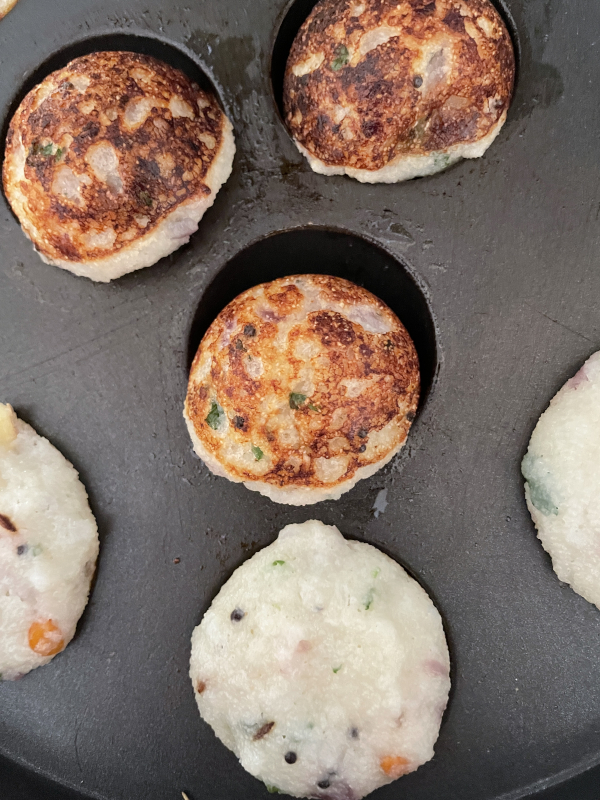
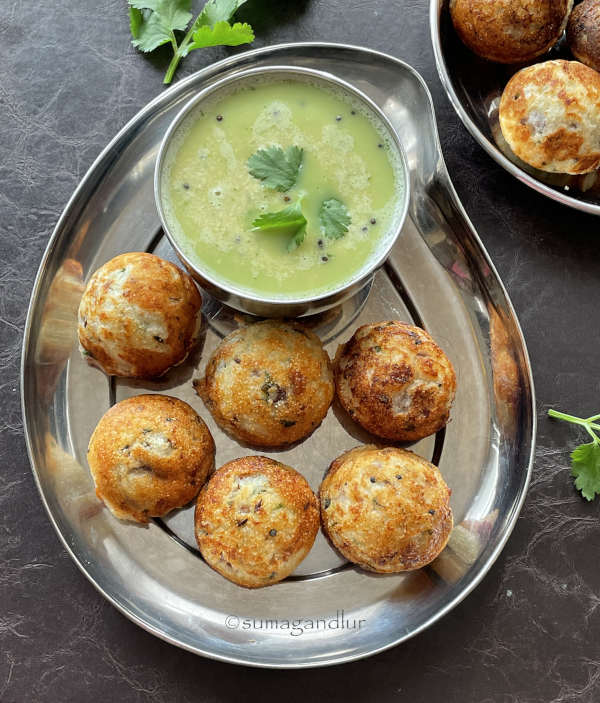
Potato Appe / Aloo Appe / Aloo Ponganalu
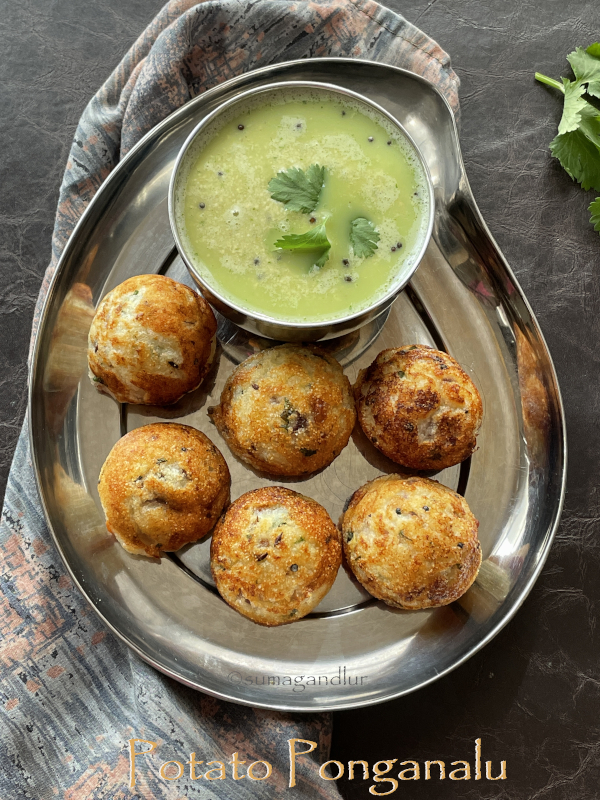
Appe / ponganalu / paniyaram / paddu are a breakfast or a snack item from the south Indian cuisine. They are prepared either using a fresh batter or using leftover batters used to make idli / dosas, the most popular breakfasts of the region. The batters are made with soaked rice and lentils that are ground and fermented, which usually needs advance planning.

There are a few instant versions as well like the one using semolina. Here is an interesting, instant kind that uses potato. I had bookmarked it from a weekly magazine a while ago because of the usage of potato in an appe recipe though I was equally skeptical because of the same reason. 

I kept wondering until the last minute of  preparation whether the mixture is going to stick to the pan and whether I should use the batter to prepare something else. There was no need to worry as they rise well and can be easily flipped if one waits patiently to let the bottom sides cook. They appear fragile at the beginning stages of cooking compared to the ones made with fermented batter. And they taste fabulous, served warm with a chutney on side.
 
Ingredients for tempering:
2 tsp. oil
1 tsp. each - Bengal gram (split chickpeas), mustard seeds, & cumin seeds 
1 tbsp. minced curry leaves
Ingredients for appe: (Yield - 18 - 20)
1 tbsp. flattened rice / poha 
1/2 cup semolina
2 tbsp. rice flour 
1 large sized potato / 1/2 cup mashed potato 
Salt to taste
1 green chili, finely minced
1 onion, peeled & finely chopped
1 tsp. finely grated ginger
A handful of cilantro, finely minced 
1/2 to 3/4 cup milk (Skim milk will do.)
1/4 tsp. baking soda or Eno's fruit salt
Oil to make appe

Prep work:
* Peel a large potato, cut into chunks and boil in water. Let it cool down and mash it finely.
* Wash and soak the flattened rice / poha in water for 5 to 10 minutes. Drain the water.
* Chop onion, ginger, chili, curry leaves and cilantro. 
* Heat 2 tsp. oil in a small pan. Add Bengal gram, mustard seeds, and cumin seeds to the oil. When Bengal gram starts turning reddish, add the minced curry leaves.

Directions:
1. Add semolina, rice flour, poha and mashed potato to a bowl. Next add minced onion, cilantro, ginger, chili, and salt to the bowl.
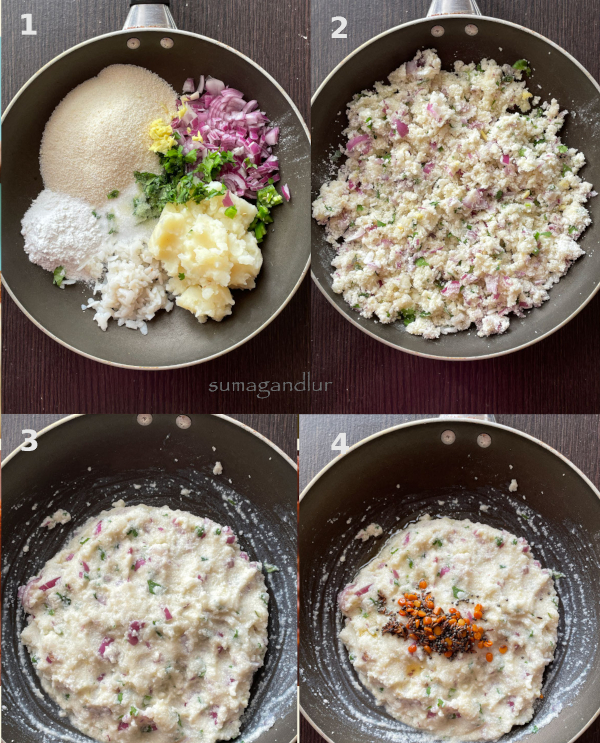
2. Mix all the ingredients well to combine. Make sure that there are no potato lumps in the mixture.
3. Pour 1/2 cup milk to the mixture and stir well to combine. Cover and let the mixture sit for about 15 - 30 minutes. 
4. Add the tempering / tadka to the semolina mixture. Add extra milk if needed at this point and stir well. (I soaked the mixture for about 30 minutes and added extra 1/4 cup milk.)
5. Heat the ponganalu / appe skillet and add a few drops of oil in each mold. 
6. Add baking soda or fruit salt to the mixture and mix well vigorously. (I added about a little more than 1/4 tsp. Eno's fruit salt, sprinkled a tbsp. water over it and mixed well.)
7. Fill the molds with batter, cover the skillet with a lid and cook on low medium heat until the batter doesn't appear raw on the surface. Or use a skewer and gently lift to check the bottom to notice if any golden brown spots formed.
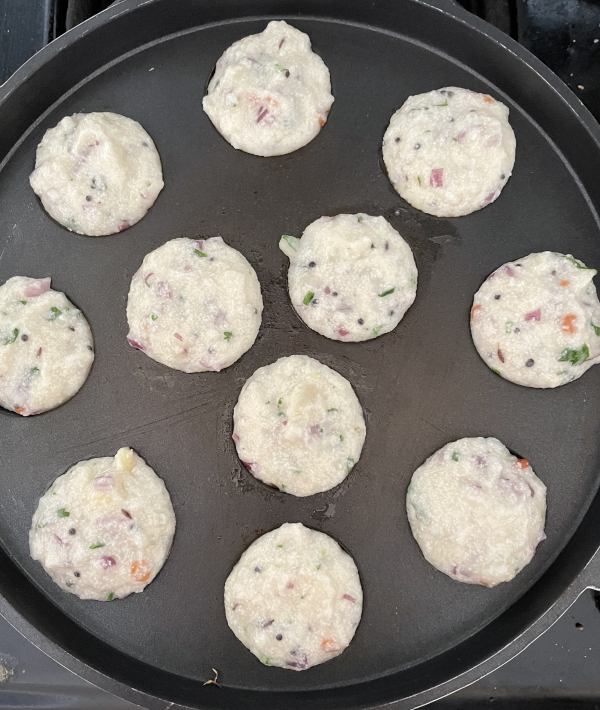
8. If golden brown spots are formed, add a drop or two of oil on the surface of each of the ponganalu and flip them using a flat spoon/skewer. 

9. Cook until the other side lightly browns as well. (The appe would be slightly fragile compared to the regular appe because of the addition of potato. Be careful while flipping them and wait until the bottom sides of the appe are cooked well.)
10. Remove them and repeat the process with the remaining batter. Serve them warm with a chutney of your choice.  

This is going to be my contribution to this week's Blogging marathon. Check the page link to see what other marathoners are cooking.

Tuesday, January 4, 2022

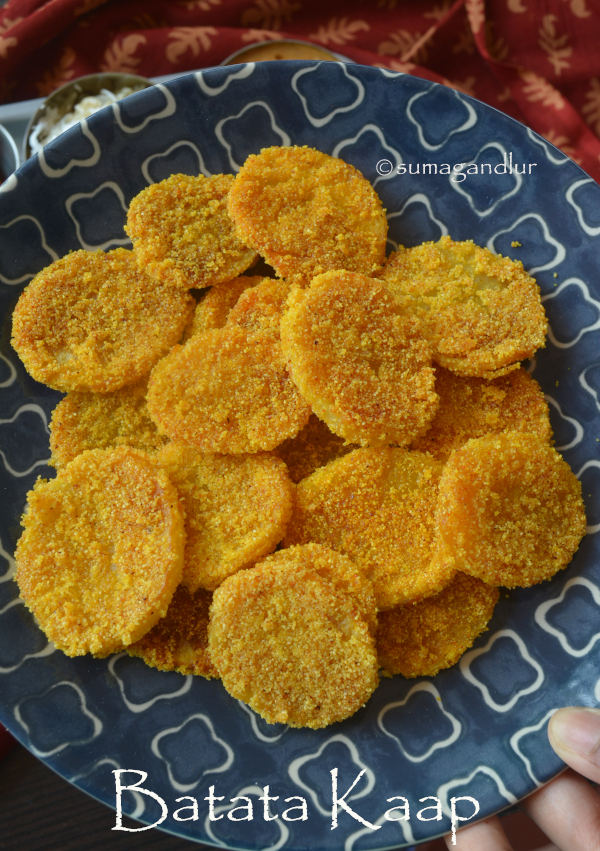
Batata Kaap ~ Shallow Fried, Crispy Potatoes

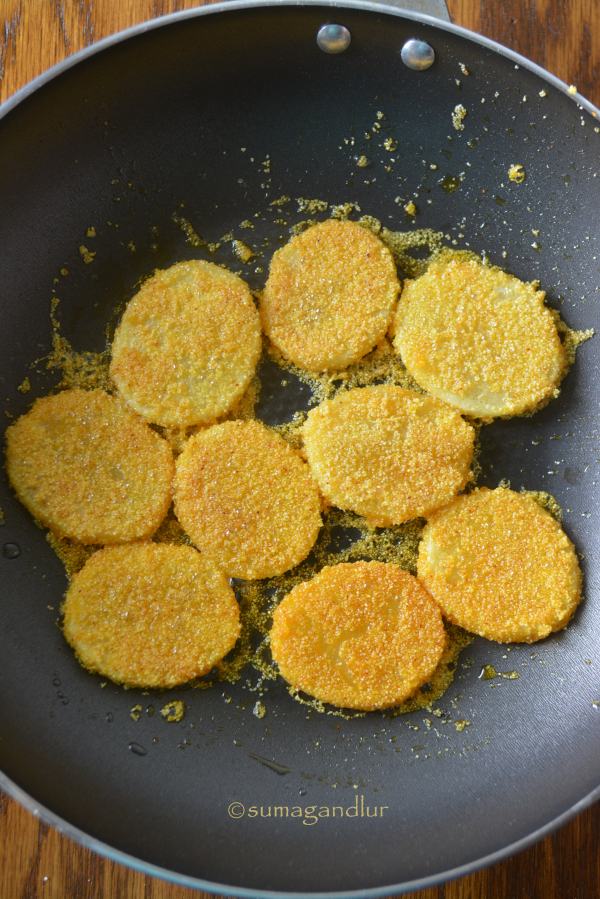
Batata kaap, from Konkan cuisine are semolina coated potato slices that are shallow fried to golden brown. The preparation is a simple and easy one and all one need are some potatoes, semolina and basic spices. They make a delicious, crisp side dish to rice and are a common preparation in Konkani households and I had made it as part of the Goan vegetarian meal

The potatoes are thinly sliced, coated with spices and dipped in semolina. Or semolina and spices are mixed and then the potato slices are dipped in as I have done in this recipe. Rice flour is used in place of semolina in some areas. They are then shallow fried in a pan until the potatoes inside turn soft and the outsides turn crisp, pretty inviting. They are served as a side dish to rice.
Ingredients:
4 potatoes
1/3 cup semolina
1/8 tsp. turmeric powder
Salt to taste
Chili powder to taste
Oil as needed

Directions:
* Peel and slice the potatoes into discs of uniform thickness, about 1/8 inch. Place them in a bowl of water to avoid discoloration.
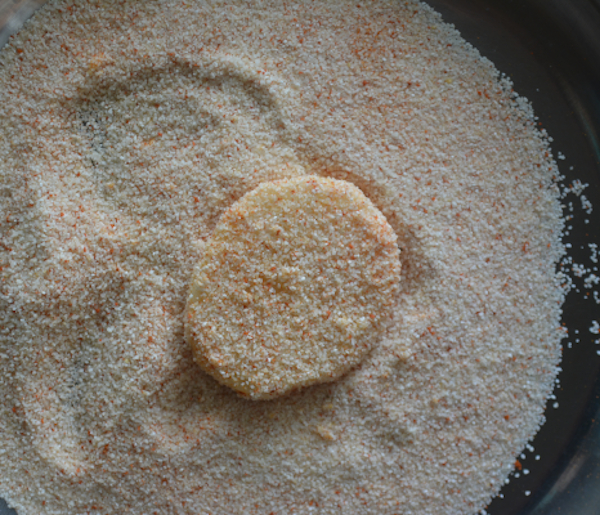
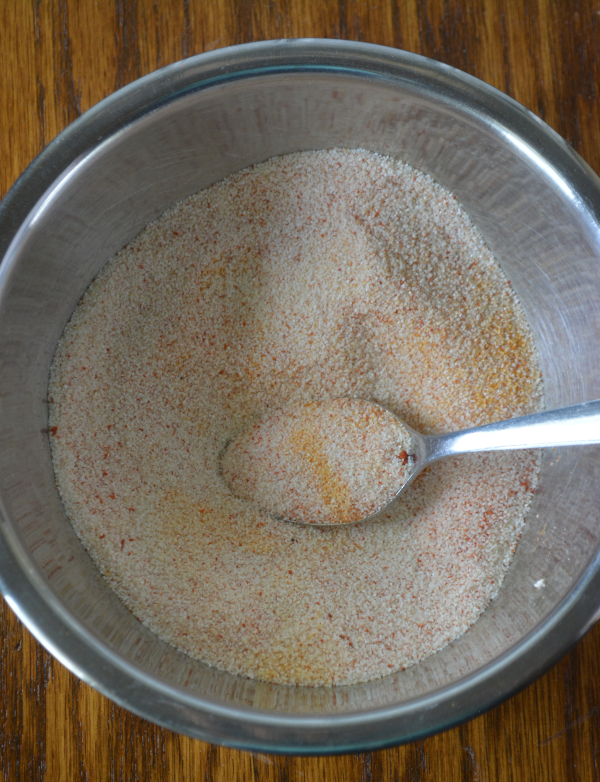
* Combine semolina, salt, turmeric and chili powder in a wide plate. 
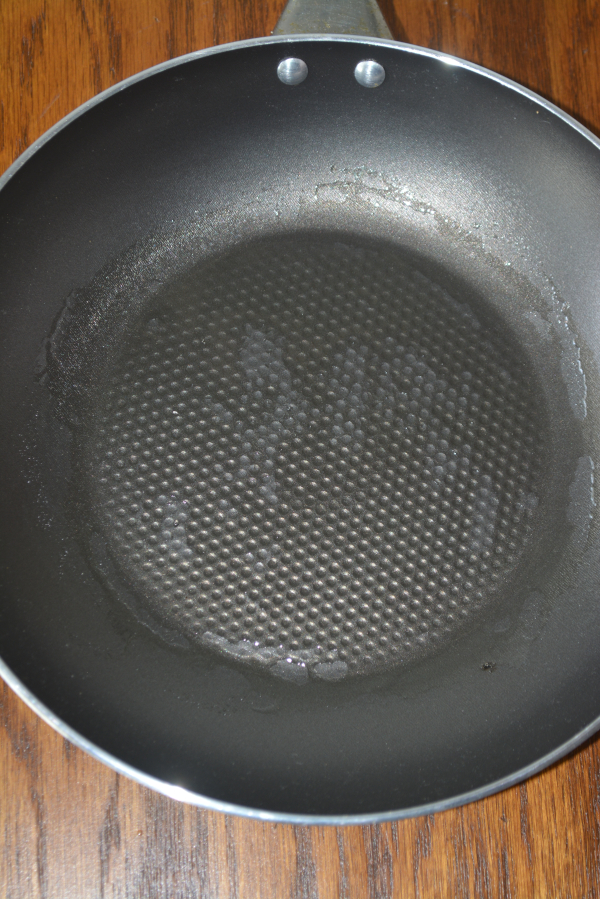
* Heat a non stick pan and brush a tsp. oil so that the whole surface of the pan is coated with oil.
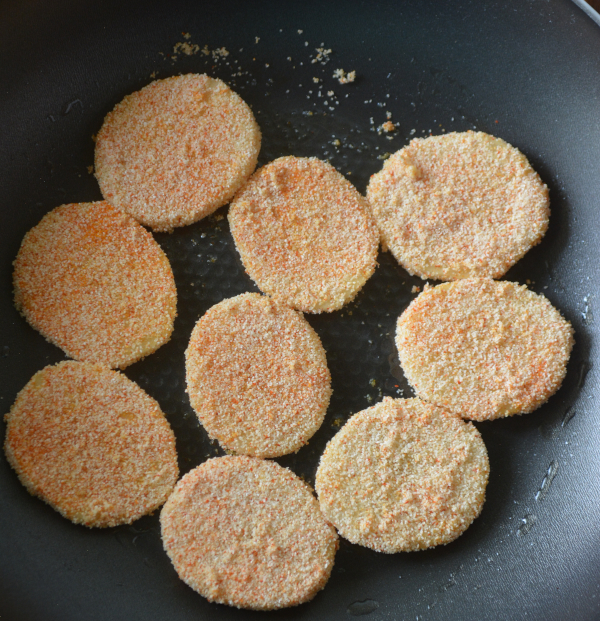
* Pat the potato slices with a napkin so that they are still damp. Dip them in the semolina mixture so that they are coated well on both sides. 
* Place the semolina dipped potato slices without overcrowding.
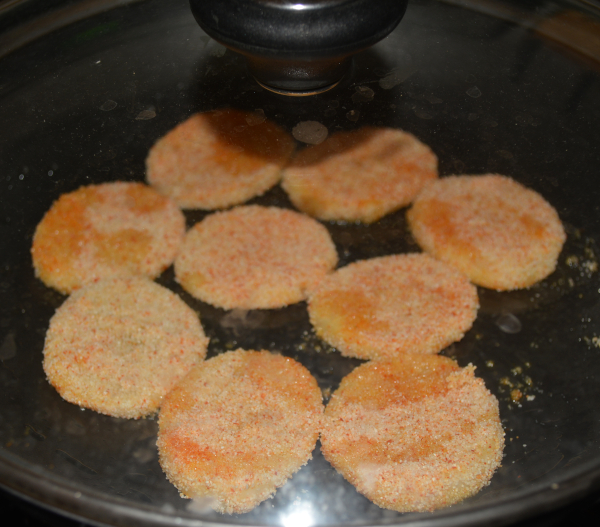
* Cover and cook on low medium flame until the bottom sides turn crisp. Add a tsp. of oil if needed.
* Flip the potato slices, add 1 or 2 tsp. oil and cook until the other sides turn crisp too. (The potatoes need to cook as well while shallow frying and so, don't cook on high heat setting.)
* Remove and repeat the procedure with the remaining potato slices.
This post is an entry for Blogging Marathon and check the link to find out what other marathoners are cooking.

Monday, January 3, 2022

Aloo Thechauni / Aloo Thechwani / Aloo Thichodi

I would like to start the first post of the year by wishing all my readers a happy, healthy and prosperous new year. Let us hope the chaos going around for the past couple of years will come to a stop this year.  

I am going to post three potato based dishes this week and the first one is going to be a curry. Potato curry happens to be a popular side dish to go with breads or rice in Indian cuisine and one can find myriad versions of the same, with regional variations thrown in. Today's curry comes from the Uttarakhand region which is a locally popular one that is usually served along with rice though it can be served with rotis as well. 
Going by the list of ingredients, this pahadi subzi / curry from the Himalayan region seems to be another mundane version of potato curry that gets prepared across homes in India. The dish varies from the other curry preparations in the way how the potatoes are chopped and use of a local variety wild mustard seeds called jakhiya. I was looking for an authentic version of this curry and stumbled upon this recipe from a local girl. Usually onions are sautéed first, followed by tomatoes and then potatoes are cooked in the mixture, adding water. In her recipe, onions, potatoes, and tomatoes are sautéed in that order and water is added at the final stage. 
The interesting part here is one doesn't chop potatoes. The unpeeled potatoes are roughly pounded  into fine pieces, using a suitable tool like pestle, stone or hammer. In fact, the dish gets it name from the word 'theechna' meaning pounding in the local dialect. Potatoes can be replaced with local radish. Of course the potatoes need to be scrubbed before using and any parts that need to be discarded should be peeled. I peeled the potatoes anyway and realized while mashing that it is not that easy when you have big potatoes on hand. Use small potatoes while preparing the dish which makes it suitable for the pounding part.  

Ingredients:
3 potatoes (about 2 cups roughly mashed potatoes)
1 - 2 tbsp. oil
1 tsp. jakhiya / mustard seeds *
1 bay leaf
A pinch of asafoetida
1 tsp. ginger - garlic paste
1 green chili, finely chopped 
1 big sized onion, finely minced
Salt to taste
2 pinches of ground turmeric
1/2 tsp. coriander powder
1/2 tsp. chili powder or to taste
1 big sized tomato, finely chopped
1 cup water
1 /2 tsp. garam masala
* Locally grown wild mustard seeds used in Garhwali cuisine
Directions:
* Scrub the potatoes well and peel any parts that need to be discarded. Pound or mash the potatoes roughly into small pieces using a pestle.  
* Heat oil in a pan and add mustard seeds. When they start to pop, add bay leaf, asafoetida and garlic - ginger paste. Sauté for few seconds and add green chili. Stir for few seconds.
* Next add onion and sauté until onion are cooked and add pounded potatoes. Stir for about a minute. Add salt, turmeric, coriander powder and chili powder to pan and mix well. Cover and cook until potatoes soften. 
* Next add chopped tomato to teh potato pan and mix well once. Again cover and cook until tomatoes are done.
* Next add about a cup of water and bring it to a boil. Add garam masala and cook the mixture about five minutes and turn off the stove. 
* Serve warm with hot steamed rice or rotis.
This post is an entry for Blogging Marathon and check the link to find out what other marathoners are cooking.
Friday, November 26, 2021

'Quinoa' Maavinakayi Chitranna / Mango - Coconut Quinoa


(This was originally posted on 5 /3/2011.)

Quinoa can be incorporated into Indian cuisine effortlessly. It can be used to replace rice in most of the dishes that need it and this post happens to be one such recipe. Mango chitranna / pulihora is a simple yet delicious dish from South India that uses rice and green mango. It is prepared especially during summer times when green mangoes are available in abundance. I have replaced rice with quinoa in this popular, tongue- tickling dish and here is the method.
And don't worry about the long list of ingredients mentioned. Most of them go in the tadka / tempering.

Below are some other quinoa based dishes that I have already posted.
Quinoa Bisebele
Quinoa Khichdi
Quinoa - Masoordal Soup
Quinoa Panchkuti Dal Khichdi
Quinoa Pilaf
Quinoa Pongal
Quinoa Sweet Pongal
Quinoa Upma

Ingredients: (Yield - 3 servings)
1 cup quinoa
1 - 2 tbsp. oil
1/4 cup. peanuts
1 tbsp. Bengal gram / chana dal
1 tbsp. skinned black gram / urad dal
1 tsp. mustard seeds
A sprig of curry leaves 
2 green chilies (I used Serrano peppers. If using other varieties, adjust the quantity according to the spiciness preferred.)
2 -3 dried red chilies, broken into small pieces
1/4 tsp. turmeric powder
A pinch of asafoetida powder
3/4 cup grated raw mango
1/2 cup shredded fresh coconut (thaw if using frozen)
Salt to taste
1/2 tsp mustard seeds powder +  1/4 tsp fenugreek seeds
/ methi powder (optional but recommended. The quantities can be increased if preferred. Lightly toast mustard and fenugreek seeds and powder them fine.)
Minced cilantro for garnish


Method:
* Wash quinoa in several exchanges of water. Add quinoa and 1 & 3/4 cups of water to a pressure cooker and cook until done. (2 - 3 whistles). Cool and fluff.
Alternatively, it can be cooked on stovetop. Bring the water to a rolling boil and then add quinoa. Cover and cook until done, about 20 minutes. When done, the seeds become translucent and the white germ would partially detach itself, appearing like a tail.
* Heat oil in a thick bottomed pan or a kadai. Add the peanuts, Bengal gram, skinned black gram and mustard seeds. When peanuts start to turn reddish, add green & red chilies and curry leaves. Sauté for a few seconds and then add the turmeric powder, asafoetida powder, mango and coconut and stir well. Turn off the stove.
* Next add the cooked quinoa, salt, mustard and fenugreek powders to the pan and mix well to combine.
* Garnish with cilantro and serve.

Thursday, November 25, 2021

Barley Khichdi / Spicy Barley - Lentil Stew

(This was originally published on 3/13/2011.)

When trying out new grains and that too when I am not sure how well our palates are going to receive the new textures, I prefer to go back to my own cuisine to borrow ideas. The south Indian cuisine, the familiar zone seems so comforting and forgiving like a mother. When I have to deal with the unfamiliar grains for the first time, I prefer to combine the typical ingredients used in my (south Indian) kitchen and add spices for more layers of flavor. This barley dish is a proof of it.

Though barley is available in India, it was never used in my mother's or any relatives' kitchens. I used barley for the first time when I prepared this barley - raisin bread. The barley I have been left with has gone in to the preparation of typical Indian style dishes.

Barley has a chewy texture when cooked that I am not very fond of. I have therefore allowed the barley to cook until it reached a fall apart stage, where you don't feel its texture at all. As I mentioned above, this dish relies on South Indian style cooking and is somewhat a cross between Karnataka's Bisibelebhath and Tamilnadu's Kadamba Saadam. I simply called it a khichdi since I didn't want to wreck my brains in search of a perfect name for this dish. This was a wholesome, healthy and hearty meal that was liked by everyone at our home.

 Ingredients: (Yield - 4 servings)
1/2 cup barley
1/2 cup pigeon peas / toordal
1 cup chopped mixed veggies (I used carrots, green beans, potatoes, peas)
A pinch of ground turmeric 
Salt to taste
2 to 3 tbsp. thick tamarind juice (extracted by soaking about lemon sized tamarind in water) 
Ingredients for seasoning:
2 tsp. ghee / oil
1 tsp. mustard seeds
A sprig of curry leaves
Ingredients for spice powder:
2 tbsp. split chickpeas / bengal gram / chanadal
1 tbsp. skinned black gram / uraddal
1 tbsp. coriander seeds
1/4. tsp fenugreek seeds / methi seeds, 
6 - 8  or to taste, dried red chilies, 
2 tbsp. grated dry coconut 
3 - 4 black stone flower / dagad phool / rathi puvvu

Directions:
* Soak barley for at least an hour and this step is optional if you are using a pressure cooker. 
* Add barley, lentils, vegetables, turmeric powder and about 2 cups of water to a pressure cooker and cook until done. If you cook rice for 3 whistles, then let this go for 12 - 15 whistles.
* Meanwhile, add split chickpeas and skinned black gram to a small pan and dry toast them on medium flame. Continuously stir them , until they start to change the color. Transfer them onto a plate. Next add coriander seeds, fenugreek seeds, red chilis and stone flower to the same pan and dry toast them on low flame until coriander seeds start to change a shade darker. Add the coconut and turn off the stove. Transfer them on to the plate. Once cool, grind them finely. 
* When the cooker's valve pressure is gone, remove the container, and check the barley consistency. If you wish to cook it further, add the mixture to a pan. Add water as needed and cook further until the desired consistency is reached. Also if you prefer your veggies crunchier, you can cook them separately instead of adding them to the pressure cooker.
* Add salt, tamarind puree and the spice powder to the barley mixture. Taste and adjust the seasonings if needed. Simmer the mixture for a couple of minutes more.
* Heat the ghee / oil in a pan. Toast the mustard seeds and curry leaves and add to the barley mixture.

Wednesday, November 24, 2021

Edamame - Millet Khichdi

I picked 'easy dinner ideas' as my theme for this week's marathon which required the dish to be a meal by itself or can be served as a main course. This healthy and tasty khichadi happens to be a one pot meal, prepared with millet, spinach and edamame and one that can be cooked at the last minute. It is quite a simple and easy preparation as all you do is dump everything into a cooker / pot and cook them. I cooked the khichadi directly in a small sized pressure cooker but of course it can be cooked in any sturdy pot on stove top, under 30 minutes. 
Edamame pronounced 'eh-dah-maa-may' is the Japanese term for the young soybeans that are harvested before they get ripened. They are available both in pods / shelled forms, fresh or frozen. They are great to snack on or tossing them in a stir fry or salad. I have used frozen ones here and added them along with spinach and potato to boost the nutrition factor of this khichdi. I used the yellow colored millet commonly available in US stores and threw in a handful of Basmati rice as well. Substitute any long grain / Basmati rice or a combination of rice and millets or any other quick cooking grain in place of millets. This edamame and millet khichdi is a quick, wholesome and nutritious meal that can be prepared under 30 minutes.  

Ingredients:
2 tbsp. ghee and/or oil
1 tsp. cumin seeds
2 cloves
2 cardamom pods
1 inch piece cinnamon
1 bay leaf
2 green chilies or according to spiciness preferred
1/2 inch piece ginger, grated and crushed
1 big onion, sliced
1 big tomato
1 potato, chopped
1/2 cup edamame (I used about a cup of edamame and that quantity seemed more.)
2 cups chopped spinach
A pinch of asafoetida
1 tsp. garam masala (optional but recommended.)
1/8 tsp. ground turmeric
Salt to taste
1/2 cup millets
1/4 cup yellow moong dal
2 cups + extra water
Directions:
* Wash millets and moong dal, drain and keep aside.
* Heat ghee / oil directly in a pressure cooker and add cumin seeds, cloves, cardamom, cinnamon and bay leaf. Toast for few seconds until you start to smell fragrance of the spices.
* Add the chopped green chillies and ginger and saute for few seconds. Next add onion and saute until golden brown. After onions are done, add tomatoes and cook until they soften.
* Next add potatoes, spinach, edamame, turmeric, salt (I used about 2 tsp.), garam masala, millets, moong dal and about 2 cups of water.
* Close the lid, put the valve on and pressure cook for 3 whistles. 
* When the valve pressure is gone, remove the lid and check the consistency. Do the taste testing to check the seasonings. If needed, add salt / chili powder. If the khichdi appears too thick, add a cup of water (or as needed). Simmer for few minutes until it starts to bubble, stirring in between to avoid the khichdi sticking to the bottom of the cooker. 

Wednesday, November 17, 2021

Kempu Chutney

Kempu chutney which literally means red chutney does not need any introduction if you have ever eaten a Mysore masale dose. This flavorful red chutney is what sets it apart from the regular masala dosas. A thin layer of this chutney smeared over dosas, stuffed with alugadde palya aka spicy potato filling, rolled and served with bowls of chutney and sambhar is a tempting meal anytime, any given day in my world. 😋 Byadagi variety chillies which are commonly used in Karnataka for their color are typically used here. Kashmiri variety chillies or any other less spicy but color lending chillies can be substituted here. I feel this chutney closely resembles the ones used in restaurants to spread the masala dosa. 

Byadagi chilies are less spicier variety but this chutney would be very spicier if eaten as a side dish because of the large quantity of chillies used here. The spice level however would be perfect if spread on a masala dosa / dose. Reduce the quantity of chilies to about 4 / 5 if not using this chutney as a spread but serving as a side dish. This chutney is quite flavorful and can stay fresh for few days if refrigerated. 

Ingredients:
15 byadagi chillies 
1 to 2 tbsp. oil
1 tsp. cumin seeds
4 garlic cloves
1 onion, roughly chopped
1 tsp. tamarind
2 tbsp. chutney dal / roasted Bengal gram 
Salt to taste 

Directions:
* Wash and soak chillies in hot water for about 20 to 30 minutes and drain.
* Heat oil in a pan and add cumin seeds. When they start to brown, add garlic and saute until they turn light golden. Add the chillies next and saute for few seconds. At this point, onion can be added and sauteed as well, if preferred or onion can be used raw.
* Let the mixture cool and grind them along with the remaining ingredients to a smooth paste without adding water. 
* Use it a spread for Mysore masala dose or with idlis / other dosas as a side dish.

bmlogo
This post is an entry for Blogging Marathon. Check what other marathoners are cooking, clicking at the link.

Comments

Friday, November 12, 2021

A - Z Idli Series ~ A Recap

Here is a collection of 26 idli recipes that I have been posting in an alphabetic series these past few months. For the uninitiated, idlis are soft and fluffy steamed cakes prepared with a fermented batter of rice and skinned black gram. This traditional dish which originated centuries ago in south India is an iconic breakfast dish of the region and enjoyed by millions of Indians. The idlis are usually served with a savory chutney and a lentil stew called sambhar making the vegetarian combination a wholesome, and nutritious meal.

My husband loves idlis and he wouldn't get tired if I served idlis for breakfast day after day, for the rest of our lives. A casual conversation with my husband one day about the possible variety of idlis gave me idea to try this series. On the spur of the moment during that conversation, I had told him that I could probably come up with at least 50 kinds of idlis, if not 100. And indeed I could put more than 50 varieties on paper the next day and this was how this series started. In fact, I can easily start another idli series next year if I wish since I have many other varieties already cooked and clicked. 

Many idlis below are traditional ones and some with twists to the well known versions. I have been making millet idlis for years now substituting millets for a portion of rice in the recipe which I have included in the list. Green gram idli, steel cut oats idli, and navadhanya idli were experiments in my kitchen. I have tried to include as many quick, instant versions as possible sticking to the alphabet format. The others need planning as it involves soaking and grinding the ingredients and fermenting the batter. Most of the idli varieties I posted in the series are gluten-free and vegan. Some varieties like dal idli, green gram idli, uddina idli and yellow moong idli are made with just lentils and are protein rich and nutritious. Fox tail millet idli, lauki idli, ragi rava idli, wheat rava - green peas idli and also the above mentioned protein rich idlis are ideal for diabetics. Oats, quinoa, pearl millet, and sorghum idlis are also healthy variety of idlis to try. 

Hopefully there is something for every idli lover out there to try and enjoy from this series which includes 26 variety of idlis. Click on the links below to access the recipe pages of idlis. 

A for Avarekayi Idli - Instant idlis prepared using fresh field beans
B for Bajra Flour Idli - Idlis prepared using pearl millet flour
C for Cornmeal Idli - Idlis prepared with cornmeal and black gram
D for Dal Idli - Idlis prepared with black gram and moong dal
E for Elaneer Idli - Idli batter is ground with coconut water.
F for Foxtail Millet Idli - Idlis prepared with foxtail millet
G for Green Gram Idli - Instant idlis made with green gram batter
H for Halasina Hannina Idli - Idlis made with rice rava and jackfruit
I for Idli - Idlis prepared with idli rice and skinned black gram
J for Jowar Idli - Idlis prepared with sorghum flour
K for Kumbalakaayi Idli - Idlis prepared with grated pumpkin
L for Lauki Idli - Semolina and bottle gourd idlis 
M for Mallige Idli - Soft, fluffy idlis from Karnataka
N for Navadhanya Idli - Idlis prepared using nine seeds
P for Poha Idli - Idlis amde with flattened rice
Q for Quinoa Idli - Idlis made with quinoa
R for Ragi Rave Idli - Finger millet and semolina idlis
S for Sabbakki Idli / Sago Idli - Idlis made with tapioca pearls
T for Thatte Idli - Bigger sized idlis from Karnataka
U for Uddina Idli - Idlis made with only skinned black gram
V for Vendaya Idli - Idlis made with rice and fenugreek seeds
X for Xacuti Masala Aloo Stuffed Idli - Idlis with potato stuffing
Y for Yellow Moong Dal Idli - Idlis made with skinned mung beans
Z for Zucchini Idli - Idlis made with zucchini and cream of rice
This post is an entry for Blogging Marathon with 'A - Z' theme and check the link to find out what other marathoners are cooking.