HOME        |        ABOUT        |        COPYRIGHT        |        CONTACT        |         RECIPE INDEX        |         INDIAN THAALIS        |         MILLET RECIPES        |        EVENTS' ROUNDUP        

Showing posts with label French beans. Show all posts

Thursday, November 25, 2021

Barley Khichdi / Spicy Barley - Lentil Stew

(This was originally published on 3/13/2011.)

When trying out new grains and that too when I am not sure how well our palates are going to receive the new textures, I prefer to go back to my own cuisine to borrow ideas. The south Indian cuisine, the familiar zone seems so comforting and forgiving like a mother. When I have to deal with the unfamiliar grains for the first time, I prefer to combine the typical ingredients used in my (south Indian) kitchen and add spices for more layers of flavor. This barley dish is a proof of it.

Though barley is available in India, it was never used in my mother's or any relatives' kitchens. I used barley for the first time when I prepared this barley - raisin bread. The barley I have been left with has gone in to the preparation of typical Indian style dishes.

Barley has a chewy texture when cooked that I am not very fond of. I have therefore allowed the barley to cook until it reached a fall apart stage, where you don't feel its texture at all. As I mentioned above, this dish relies on South Indian style cooking and is somewhat a cross between Karnataka's Bisibelebhath and Tamilnadu's Kadamba Saadam. I simply called it a khichdi since I didn't want to wreck my brains in search of a perfect name for this dish. This was a wholesome, healthy and hearty meal that was liked by everyone at our home.

 Ingredients: (Yield - 4 servings)
1/2 cup barley
1/2 cup pigeon peas / toordal
1 cup chopped mixed veggies (I used carrots, green beans, potatoes, peas)
A pinch of ground turmeric 
Salt to taste
2 to 3 tbsp. thick tamarind juice (extracted by soaking about lemon sized tamarind in water) 
Ingredients for seasoning:
2 tsp. ghee / oil
1 tsp. mustard seeds
A sprig of curry leaves
Ingredients for spice powder:
2 tbsp. split chickpeas / bengal gram / chanadal
1 tbsp. skinned black gram / uraddal
1 tbsp. coriander seeds
1/4. tsp fenugreek seeds / methi seeds, 
6 - 8  or to taste, dried red chilies, 
2 tbsp. grated dry coconut 
3 - 4 black stone flower / dagad phool / rathi puvvu

Directions:
* Soak barley for at least an hour and this step is optional if you are using a pressure cooker. 
* Add barley, lentils, vegetables, turmeric powder and about 2 cups of water to a pressure cooker and cook until done. If you cook rice for 3 whistles, then let this go for 12 - 15 whistles.
* Meanwhile, add split chickpeas and skinned black gram to a small pan and dry toast them on medium flame. Continuously stir them , until they start to change the color. Transfer them onto a plate. Next add coriander seeds, fenugreek seeds, red chilis and stone flower to the same pan and dry toast them on low flame until coriander seeds start to change a shade darker. Add the coconut and turn off the stove. Transfer them on to the plate. Once cool, grind them finely. 
* When the cooker's valve pressure is gone, remove the container, and check the barley consistency. If you wish to cook it further, add the mixture to a pan. Add water as needed and cook further until the desired consistency is reached. Also if you prefer your veggies crunchier, you can cook them separately instead of adding them to the pressure cooker.
* Add salt, tamarind puree and the spice powder to the barley mixture. Taste and adjust the seasonings if needed. Simmer the mixture for a couple of minutes more.
* Heat the ghee / oil in a pan. Toast the mustard seeds and curry leaves and add to the barley mixture.

Saturday, April 25, 2020

Beetroot & Beans Curry

When our state became the second one in US to issue a 'stay at home ' order, I thought now I am going to have plenty of time on my hands. I don't even know why the thought crossed my mind since as a stay at home mom, my life seems to be under a perpetual quarantine as half of our family are not home most of the time and I wasn't planning to make any drastic changes to my current life styleFast forward a month, I don't even know how the time has been running except that I get to sleep a tad more and I seem to spend more and more time in our kitchen. However the situation has presented an opportunity for the four of us to be under one roof after a long time, at a stretch. 

It turns out however that I was not able to cook anything new for the blog inspite of all the cooking I have been doing. My son hasn't spent this much of time at home in the past four years and my husband who is mostly away on weekdays has been enjoying his stay as well. All we are craving are simple home style Indian  meals with rice / roti, vegetables and lentil based dishes. This curry is a part of one such simple meal that is filling and nutritious. I have combined chopped beets and beans here. Feel free to substitute any other vegetables that you have on hand. You can omit one of these vegetables and replace it with carrots. Cabbage and green peas, potato with cauliflower or bell pepper or eggplant are some of the popular combos. Or can make a curry combining more vegetables like carrot, beans, chayote, potatoes and cabbage. It goes good with either plain rice and a dollop of ghee or rotis.
Ingredients:
1 cup peeled and chopped beetroot cubes
1 cup stringed and finely chopped beans
2 tsp. oil
1 tsp. split chickpeas / chana dal
1 tsp skinned black gram / urad dal
1 tsp. mustard seeds
1 tsp. cumin seeds
1/8 tsp. turmeric powder
1 sprig of curry leaves
1/4 - 1/2 cup of shredded fresh / frozen coconut
Salt to taste
Red chili powder to taste

Directions:
* Pressure cook the vegetables adding a little water, for 3 whistles.
* Heat oil in a pan and add split chick peas, black gram, mustard seeds and cumin seeds in that order. When the split chickpeas and black gram start to turn reddish, add turmeric and curry leaves. (If the vegetables are not pressure cooked, they can be added now along with the salt. Cover and cook on low flame, stirring in between until the vegetables are tender. A little water can be sprinkled in between if needed.)
* Saute once and add the cooked vegetables, coconut, salt and chili powder. (I add the water used to pressure cook the vegetables as well if it is little in quantity.)
* Mix the ingredients well once and taste to adjust any seasoning if needed. Cook on low flame for about 4 to 5 minutes or until all the water evaporates and turn off the stove.
* Serve it along with rice or rotis and any leftovers can be refrigerated.

Comments

Monday, June 17, 2019

Poricha Kuzhambu

I didn't realize until I started to plan recipes this week that I had picked back to back weeks of 'side dish' themes for the blogging marathon event. I had picked gravy curries theme last week and this week, it is going to be three different side dishes prepared using one ingredient. The word 'side dishes' did not register while picking the theme and I had assumed three different dishes using one ingredient. It was curries last week and so, I decided to go with legumes this time and 'pigeon peas / lentils' aka arhar dal or toor dal is going to be my star ingredient for this week's dishes. 

The first one in the series is going to be this gravy from the Tamil Brahmin kitchens called as poricha kuzhambu. The kuzhambu is a delicious gravy made with a combination of vegetables and dal, prepared using a spice and coconut paste. This is a no onion and no garlic recipe and quite a simple one to prepare. Moong dal can also be used to make poricha kuzhambu. Vegetales like brinjals, pumpkin, drumsticks. chayote, broad beans usually go into this kuzhambu recipe but I have used mixed vegetables here.

Ingredients: (Yield 2 to 3 servings)
1/2 cup toor dal / pigeon peas
2 cups mixed vegetables (I used beans, potato, chayote and carrots.)
1/8 tsp. turmeric powder
1 cup water + extra as needed
1 tsp. oil
1 tsp. skinned black gram / urad dal (optional)
1/2 tsp. black peppercorn
1/2 tsp. cumin seeds
2 or 3 dried red chili
A fistful of grated, fresh coconut (Frozen, shredded coconut can be substituted.)
Salt to taste
Minced cilantro to garnish (optional)

Ingredients for tadka / tempering:
1 tsp. oil
1/2 tsp. mustard seeds
1 pinch of asafoetida powder
A sprig of curry leaves

Directions:
1. Wash toor dal in two exchanges of water and drain. Pressure cook toor dal along with vegetables for 3 whistles, adding a cup of water and turmeric, When the valve pressure is gone, mash the dal well with the back of the ladle and keep aside. 
(Soak the dal in water for a couple of hours before using if the dal takes longer than 3 whistles to cook. Or the vegetables can be cooked separately.)
2. Meanwhile, heat a tsp. of oil in a small pan and add black gram, pepper corn, cumin seeds, and red chilies. When the dal starts to turn reddish, add the coconut and turn off the stove. Saute the coconut for few seconds and let the mixture cool. Grind the mixture to a thick, fine paste adding water as needed.
3. Add the ground paste and salt to the cooked dal from step 1. Add about 1/2 cup or more of water as well keeping in mind that the gravy need to be on the thicker side. Bring the mixture to a boil and simmer for a couple of minutes more.
4. Heat oil in a small pan for tempering and add the mustard seeds. when they start to sputter, add curry leaves and asafoetida and turn of the stove. Add this to the cooked gravy and stir well.
5. Garnish with cilantro if needed and serve warm with rice.

bmlogo
This post is an entry for Blogging Marathon #101 under 'Cook 3 Side Dishes with One Ingredient' theme.

Comments

Wednesday, June 12, 2019

Vegetable Makhanwala / Veg Makhani (No Onion, No Garlic Recipe)

Here is another rich and creamy curry as part of the 'Gravy Curry' themed marathon this week. Vegetable makhanwala or veg makhani preparation is similar to paneer butter masala and I prepared it using no onion or garlic. One of my sister in laws who is no more with us was married to a north Indian and the food prepared in her home was typically north Indian style one. I got to learn the basic variations of gravies for north Indian style curries from her daughters who are younger to me, during my initial days of cooking. The tips from them came to use for my yesterday's shahi paneer and today's curry. 

The curry is cooked using 'makhan' aka butter and hence the name veg makhani, though one can do away with oil if counting calories. Similarly cream can be omitted too if not preferring rich curries. However butter and cream enhance the flavor of the dish and the curry would be a great choice when having company. The gravy is tomato based one here and the cashews added along lend a rich base to the curry. One wouldn't notice the absence of onions in this makhani recipe and the curry tastes absolutely delicious in spite of it. This curry makes a perfect dish for those who abstain from onion or garlic. The vegetables that can go into the dish are potatoes, beans, carrots, capsicum, cauliflower and peas. I omitted cauliflower and capsicum this time. Paneer or soy chunks can be added to make it more nutritious.

Ingredients:
3 cups mixed vegetables ( I used diced potatoes, diced carrots, beans cut into 1 inch pieces and peas.)
3 ripe red tomatoes, roughly chopped
1 inch piece of ginger
1 tbsp. cashews
1 tbsp. butter / oil
1 tsp. cumin seeds / caraway seeds
1 bay leaf
1/8 tsp. ground turmeric
1/2 tsp. red chili powder or to taste
Water as needed (About 1.25 to 1.5 cups)
Salt to taste
1 tsp. crushed kasuri methi / dried fenugreek greens
3 tbsp. cream
1/2 tsp. garam masala
Minced cilantro leaves to garnish

Directions:
1. Pressure cook to 2 whistles or microwave the vegetables adding enough water. Save the water used to cook the vegetables to use later.
2. Grind together tomatoes, ginger and cashew together to a fine paste. (Garlic can be added if preferred.) 
3. Heat butter / oil in a pan and add the ground tomato paste, turmeric powder and chili powder. Saute until the raw smell leaves and the fat / oil starts to leave the sides of the pan, about 10 minutes.
4. Add about 1.5 cups of water to the tomato paste. (Use the water used to cook the vegetables plus extra water if needed to make about 1.5 cups.) Cook until the gravy thickens, about 6 - 8 minutes.
5. Add the cooked vegetables, salt, kasuri methi, and garam masala to the pan and mix gently. Stir in the cream finally and mix well to combine. Turn off the stove.
6. Garnish with cilantro if preferred. Serve it with rotis / rice.

bmlogo
This post is an entry for Blogging Marathon #101 under 'Gravy Curries' theme.

Comments

Monday, December 5, 2016

Baked Vermicelli - Vegetable Cutlets


Here are some guilt free and flavorful vermicelli and vegetable based cutlets or tikkis to munch on along with a cup of tea in the evenings. I have used potato, carrot and beans here though other veggies like peas, cauliflower or greens can be added too. Vermicelli here can be replaced with other kind of noodles but I find the Indian variety short strands of vermicelli more convenient to use here. The tikkis of course can be pan fried or deep fried too instead of baking. (The tikkis in the background plate were pan fried.)
Ingredients: (Yiled 12 cutlets)
1 cup cooked vermicelli*
1 cup peeled, chopped and cooked vegetables (I used potato, carrot and beans.)
1/8 tsp. turmeric powder
1/2 tsp. chaat masala
1/2 tsp. chili powder or to taste
3/4 tsp. amchur powder
Salt to taste
1/2 cup (or as needed) bread crumbs
Oil to spray 
* Indian style 1/2 inch vermicelli strands
Method:
* Drain the cooked vermicelli and set aside to cool. Squeeze out any extra water if present.
* Drain the cooked vegetables taking care that no water is present. Coarsely pulse them using a food processor.
* Preheat the oven to 350 deg F. Line a baking sheet with aluminum foil if preferred and spray it with cooking oil and keep it aside.
* Add the cooked vermicelli, prepared veggies, turmeric, spice powders and salt to a mixing bowl and mix well with a spoon or hand. Add bread crumbs as needed and mix to form a cohesive mixture. 
* Pinch out lemon sized portions and shape them into discs. Arrange them on the prepared baking sheet and spray the tops with oil again.
* Bake them until the bottom portion turn golden brown and flip them and continue to bake until the other side browns too. (I forgot to record the time of baking but it may take around 30 minutes or so.)

This goes to Blogging marathon #71, under the theme 'One Ingredient - Three Courses'. Check here to find out what the other marathoners are cooking as part of the BM.

Comments

Thursday, September 3, 2015

Sri Lankan Vegetable Curry

Now from yesterday's dal, let's proceed towards a delicious curry from another neighbor of India. Sri Lanka, that is. I have been never to Sri Lanka but I gather that it's cuisine though appears to be similar to India, it is not. However Sri Lankan cuisine, similar to south Indian states is built around rice and in fact their national dish is rice and curry. These curries are supposedly fiery than the Indian counterparts and can be meat based or vegetarian. Rice and curry can be accompanied by a dal, and sambols, the Sri Lankan version of spicy pickles. I had a vegetable based curry bookmarked from Vaishali's blog which I got to try today. It uses a special blend of spices from the region called Sri Lankan curry powder that is aromatic and flavorful. And by the way it does not taste like garam masala or any of the Indian spice blends. The curry is not that hard to prepare though the list of the ingredients is a lengthy one. The coconut milk - corn starch mixture lend a thick, creamy base to this
yummy curry. Vaishali's version had mushrooms and cauliflower and I used beans and peas instead.

Ingredients:
2 tbsp. oil
1 onion, peeled and chopped
1 potato, peeled and chopped
1 carrot, peeled and chopped
1 cup French beans, stringed and cut into one inch pieces 
1 tsp finely grated ginger
1 garlic clove, finely chopped
1 green chili, finely chopped
1 tsp. coriander powder
1 tsp. paprika
2 tsp. Sri Lanka curry powder
1 cup water / vegetable stock
1 big sized tomato, chopped
1/4 cup chopped green capsicum
1/4 cup fresh / frozen peas
1/2 cup thick coconut milk
2 tsp. corn starch
1 tbsp. ground almonds
Salt to taste
 
Method:
* Heat oil in a pan and add onion, potato, carrot and beans. Saute on medium flame for about five minutes.
* Next add ginger, garlic, green chili, coriander powder, paprika and curry powder and saute for about a minute.
* Add vegetable stock / water to the pan, cover and cook on low flame until the vegetables are almost done.
* Now add the capsicum pieces, tomato and peas if using. Continue to cook until the capsicum is done.
* Meanwhile, blend cornstarch and coconut milk well and stir into the mixture. 
* Add ground almonds and salt to the pan. Check the seasonings and adjust if necessary.
* Simmer for a couple of minutes and turn off the stove. 
* Serve with rice / rotis.

Check out the Blogging Marathon page for the other Blogging Marathoners doing BM# 56.

Comments

Tuesday, September 1, 2015

Kerala Vegetable Stew / Vegetable Ishtoo

For those who are wondering where I went kaput, I am back with a month long blogging mararthon. Yes, you read it right. This is again time for that part of the year where we, a group of food blogger friends feature a food post each day of the month on our blogs, excepting Sundays. This time around, the marathon is named 'Buffet on the Table" and is going to be a weekly based one. The first one in the series is going to be "Combos from Countries" where the dishes usually served as a pair need to be featured.  

I am going with an Indian breakfast combo on the first day, a popular one from the south Indian state of Kerala. Appams, Kerala style lacy pancakes served with mild vegetable stew or ishtoo, as it is colloquially termed. I am posting the recipe for the stew today. Though the list of the ingredients seem lengthier, this is one of those simple side dishes that you can prepare with no fuss. It doesn't involve any elaborate preparation and even a newbie can nail it. This traditional Kerala dish is mildly flavored and usually paired with paalappam though it tastes equally good with rotis as well. After standing a while, the dish ended up with a mild yellow tinge, because of the carrot used.

Source: Kurryleaves
Ingredients:
Oil / ghee as needed
3 cardamom pods
3 cloves
1" piece of cinnamon
8 - 10 peppercorns
1 tsp. finely grated ginger
1 tsp. finely chopped garlic (I didn't use it.)
2 to 3 green chillies, slit lengthwise (or adjust the quantity as needed.)
1 to 2 sprigs of curry leaves
1 big onion, finely chopped
1 carrot, peeled and cubed
1 potato, peeled and cubed
10 French beans cut into 1" pieces
1/2 cups peas, (frozen or fresh can be used.)
1/2 cup thick coconut milk
1.5 cup thin coconut milk
Salt to taste

Method:
* Heat oil in a pan and add cloves, cardamom, cinnamon and peppercorns. Sauté them until fragrant and then add ginger, garlic, chilies, a sprig of curry leaves and onion.
* Fry them until onion turns translucent and then add all the vegetables. Add thin coconut milk and salt to the pan. Cover and cook on low flame until the vegetables are done.
* Next add the thick coconut milk, stir and cook for a few more minutes.
* Heat a tsp. of ghee / oil and toast curry leaves for few seconds. Remove and add the toasted curry leaves to the cooked stew and stir gently.
* Turn off the stove and serve the stew warm with palappam, idiappam or rotis.
Check out the Blogging Marathon page for the other Blogging Marathoners doing BM# 56.

Wednesday, November 5, 2014

Indian Chinese Cooking ~ Vegetable Fried Rice

 
I chose to go with vegetable fried rice, one of the popular dishes from the Indian Chinese cuisine for today's post. If you have some left over rice and prepared vegetables then this dish could be made in a blink of an eye. And thanks to my husband, I could pair it with some gobi manchurian. Yes, my husband is the official manchurian maker in our home. :) I will post the recipe for manchurian soon.
Ingredients:
1 cup Basmati Rice

1 tbsp. + 1 tsp. sesame oil
1 garlic clove finely minced
1 inch piece of ginger, finely minced
1/4 cup minced scallion (greens and white separated) 
1.5 to 2 cups mixed vegetables of your choice (I used thinly sliced carrot, beans, cabbage, and capsicum.)
1 - 2 tsp. soy sauce (or as per taste)
1/2 tsp. rice vinegar
Salt and ground pepper to taste
Optional ingredient:
Red or green chili sauce to give a spicy kick

Method:
* Soak 1 cup rice in water for about 15 minutes and drain the water. Add about 1 & 1/2 cups water to the rice and pressure cook for 3 whistles. When the valve pressure is gone, transfer the rice to  a wide plate. Add a tsp. of sesame oil, fluff and keep it aside to cool.
(Whatever method you choose to cook rice, take care not to prepare a mushy rice. Leftover rice works good too for this recipe.)
* Chop the vegetables finely or into thin slices. (I prefer to cut into thin long strips as my husband prefers it that way). Use vegetables of your choice. Other than the vegetables I used, one can use celery, mushroom, broccoli, snow peas and so on.
* Heat the oil in a wide, non stick pan. Add scallion whites, ginger and garlic and toast for few seconds until you start to notice the aroma.
* Next add all the vegetables and cook on high flame for about two minutes. Keep tossing the pan frequently to avoid burning the vegetables. The vegetables must be cooked but still retain their crunchiness and crispiness.  
(If the vegetables are finely chopped then tossing them for about a minute would suffice.)
* Add soy sauce, vinegar, chili sauce if using, salt and pepper and toss. Next add the rice and just gently mix. Don't over mix and break the rice grains.
* Garnish with scallion greens and serve along with a manchurian dish or your favorite side dish. I served it with gobi manchurian.

This 'Veg Fried Rice - Manchurian' combo goes to BM #46. Check what other marathoners are cooking during this marathon. 

Comments

Sunday, October 26, 2014

Vegetable Tikkis


Here are some guilt-free and filling tikkis made with mixed vegetables for BM #45 under the theme 'Healthy Tea Time Snacks". I made them spicy and they were a tasty treat to our evening beverage.

Ingredients: (For about 18 mini tikkis)
2 potatoes - peeled, cooked and mashed
1 cup finely chopped, mixed vegetables - cooked, drained and coarsely mashed (I used green beans, carrot and peas.)
Salt to taste
Dried red chili powder to taste
1/2 tsp amchur powder
3 - 4 tbsp. corn flour
Semolina to coat the patties (optional)
Oil to shallow fry (I used canola oil.)

Method:
* Add the mashed vegetables, salt, chili powder, amchur and corn flour to a mixing bowl. Combine all the ingredients to form a firm mixture (that can be shaped into patties.)

* Pinch about a small lime sized portion of the dough and slightly flatten it into a disc. Gently roll the disc in semolina so that is coated on all sides with semolina. This semolina coating step is optional but it adds a nice crunch to the patties. (I coated half of the patties with semolina. Both coated and plain versions tasted yummy.)
* Repeat the steps with the remaining mixture and keep them aside. 
* Heat a griddle or a non stick pan and spray it with oil. Place the patties on the griddle without over crowding and spray with oil one more time if necessary.
* Fry them on medium flame until they turn golden brown on both sides.
* Serve them immediately with ketchup or green chutney.
Check what other marathoners are cooking during BM #45.

Comments

Tuesday, June 3, 2014

Nawabi Curry

Event: Blogging Marathon #41
Theme: Stove-top cooking with alphabets - N, P & T

The Mughal rule had a great impact on India in all quarters and naturally the Indian cuisine too evolved in the process, giving birth to one of the lavish and popular cuisines of the country. The cuisine developed in the imperial kitchens of the Mughal rulers came to be known as the Mughalai cuisine and used rich dry fruits, nuts, exotic fresh fruits and the expensive saffron as part of their cooking. A wide variety of pilafs, kebabs, rich-creamy gravies and luxurious desserts are a part of it's repertoire and are popular to this day in the Indian subcontinent. Over the centuries, the rich, aromatic and delicious Mughali food has become a part and parcel of Indian life and it has enhanced the already rich Indian culinary heritage.

While looking for some quick and easy nawabi recipes, I ended up here. This curry is supposedly from the Mughal era and as the name suggests, it is a curry fit for imperial kitchens. The cashew nuts, almonds, coconut and poppy seeds give a luxurious base to this mild and yummy curry. It was a curry meant for royals / the nawabs once upon a time, going by the ingredients used and the rich and creamy dish one ends up with. Though the ingredients are now in reach for even the commoners, it is the kind one would like to have when one is in self indulgent mood or in company.

Ingredients:
1 cup mixed vegetables (I used potato, carrot, green peas and beans)
2 - 3 tbsp oil
2 small tomatoes
Salt to taste
A pinch of saffron strands soaked in 1 tsp of warm milk
To grind:
3/4 cup chopped onion
1 tbsp cashews
1 tbsp almonds
1 tbsp poppy seeds
2 tbsp fresh, shredded coconut
2 tsp coriander seeds
2 tsp cumin seeds
1 tsp fennel seeds
1 tsp chopped green chillies
4 Kashmiri red chillies
1 inch piece of ginger
1 - 2 cardamom
2 cloves
1 inch piece of cinnamon
1 stalk of curry leaves

Method:
* Peel and cube potato and carrot. Cut beans into 1/4 inch pieces. Add water and cook the vegetables in either a pressure cooker or in a microwave. 
* Grind fine all the ingredients mentioned under "to grind" adding water as needed.
* Heat oil in a pan, preferably a nonstick one. Add the ground paste and cook until the oil starts to leave he sides or until the raw smell of the onion leaves.
* In the meantime, cut tomatoes into chunks and cook in a microwave. Let cool, peel the skins and puree the tomatoes. Pass it through a strainer and add the filtered puree to the fried paste in the above step. Add the cooked vegetables, saffron and salt. Bring the mixture to a boil and turn off the stove.
* Serve it with parathas or pooris.

Comments

Wednesday, April 2, 2014

Vegetarian Thukpa


Now we move to Arunachal Pradesh, the second state in the series. Arunachal pradesh is mostly covered by Himalayas and the name of the state literally translates to "The land of the rising sun" or "The land of the dawn-lit mountains". It lies to the north eastern side of India and is the largest one among the "Seven Sister States". Natives trace their origins to Tibeto-Burman and Mongoloid race.
Food in the state is very less spicy and bland in taste. To save the nutritional value, boiling is the preferred method of cooking. Crops like rice, wheat, millet, maize and sugarcane are the popular items that are used in cooking. Lettuce and bamboo shoots are also commonly used. The people in the region are predominantly non vegetarian. Rice forms a major component of Arunachali cuisine. Rice is a staple food along with fish, meat and green vegetables. Boiled rice cakes wrapped in leaves is a popular snack.  Apong - local drink made from rice or millet is also a famous tribal delicacy. (Info:wiki and other online sources)
While exploring the cuisine, I realized that thukpas and momos are popular in the region. Thukpa is popular among the monpa tribe though not a native creation. I decided to go with a vegetarian version of thukpa and followed Asha's recipe. I replaced the egg noodles and chicken with mixed grain spaghetti and toasted tofu. Bamboo shoots would be an authentic addition but I wasn't sure whether we prefer the pungency and skipped it. My husband is not a fan of watery, bland noodle soups and preferred it with loads of ketchup. 

Ingredients:
4 cups vegetable stock / water
1.5 to 2 cups chopped mixed vegetables (I used 1 carrot, 10 green beans, 1 small potato, 1 small tomato, 2 tbsp celery cubes
1 green chili, sliced lengthwise
A fistful of spaghetti noodles 
1-2 tsp oil
1/4 to 1/2 cup tofu cubes
1/2 tsp ginger slivered 
Salt & pepper to taste
Minced cilantro to garnish
Method:
* Bring vegetable stock or water to a boil in sauce pan. Add vegetables and green chili to the pan and cook until the vegetables are done.
* Bring half a gallon of water to a rolling boil. Add salt and spaghetti and cook until done. Drain and keep aside.
* Heat oil and toast ginger slivers until golden brown and keep aside. To the same oil, add the tofu cubes and toast until golden brown through out.
* Add the cooked spaghetti, toasted tofu cubes to the cooked veggies.
* Add salt, freshly cracked black pepper and turn off the stove. Let it sit for a minute.
* Garnish with cilantro and serve.


Check here to know what other marathoners are cooking during this BM.

Comments

Friday, January 3, 2014

Soya - Veggie Burger


Before proceeding towards the recipe, I would like to wish everyone a happy, peaceful and healthy new year.

When I thought of a sandwich with patty / cutlet,  the first thing that came to mind was a veggie burger and I didn't sit to ponder much about other options as I was fixated on this burger thing. My husband often prepares burgers at home with store bought soya patties and this time I thought to make them at home, of course throwing Indian touch. I didn't have the energy to make the buns also from scratch and so we settled with the ones we picked up from the store.
Now assembling the burgers is no rocket science and one can go with their preferred choice of ingredients to make the sandwich. I have used burger buns, lettuce, onion, tomato, cheddar cheese slice, soya - veggie patty with some mustard and ketchup in my burger sandwich. I am going to give the recipe for the patties below. If you feel that the following ingredients are not properly binding, feel free to add some bread crumbs.

Ingredients:
1 cup soya granules (or soya chunks)
1 potato (peeled and cubed)
1/2 cup finely chopped carrots and beans
1/4 cup toasted and skinned peanuts 
2 - 3 tbsp. minced cilantro
2 green chillies, finely chopped
Salt & chili powder to taste
1 tsp cumin powder
1 tsp lemon juice
1 - 2 Tbsp oil
Oil for shallow frying

Method:
* Soak soya granules / soya chunks in hot water for about 10 minutes and drain. If using soya chunks, cut them into tiny pieces or crumble them after soaking.
* Cook potato, beans and carrot together. Drain, cool and slightly mash them.
* Grind the toasted peanuts coarsely.
* Combine soya, mashed veggies, peanut powder and all the remaining ingredients (except the oil used to fry) in a mixing bowl. Adjust the seasonings / ingredients according to preference to form a stiff, coarse mixture.
* Heat 2 -3 tbsp. oil on a shallow nonstick pan over high heat.
* Pinch out a lemon sized portion of the mixture, shape into a patty / cutlet. 
* When the oil is hot, reduce the heat to medium and place the patty/cutlet in the hot oil. 3 - 4 cutlets can be cooked at a time depending upon the size of the pan.
* Cook until the bottom side of the cutlet turns golden brown. Flip the cutlets using a spatula and drizzle some more oil around the edges of them. Cook until the other side turns golden brown too. Transfer them onto absorbent towels.
* Repeat the steps with the remaining mixture.

Comments

Friday, May 24, 2013

Spicy Oats Khichdi


For the final week of this month's blogging marathon, I need to cook from three blogs that are a part of this marathon. Valli chose our partners and my first post is from PJ's blog. She has a good collection of vegetarian recipes and I cooked a couple more from her blog other than this khichdi. I have been following her enough during these marathons to know that Padma is gungho over oats as I am about ragi/quinoa. :) I have been seeing these spicy oats posts everywhere and decided to try her masala oats porridge for my breakfast today. The plain old, boring oats get a spicy south Indian touch here. I skipped the onions and went with old fashioned oats and had a healthy, filling breakfast under 10 minutes. Using frozen vegetables / quick cooking oats hasten the cooking process.


Ingredients for 1 serving:
For tadka: 1 tsp oil, 1/2 tsp minced ginger, 1 tsp mustard seeds, 1 tsp cumin seeds, 1 tsp urad dal / skinned black gram, few curry leaves
1 tsp sambhar powder
Salt to taste
1 cup water

4 - 6 Tbsp chopped mixed vegetables (I used carrot, beans and peas)
1/2 cup oats

Method:
* Heat oil and add the tadka ingredients. When the mustard seeds start to splutter, add water, salt and sambhar powder. If you want a thicker version like the one pictured above, then go with 3/4 cup of water. I added a cup of water.
* Add vegetables to the water and cook. Or meanwhile, cook the vegetables in a microwave for about 4 -5 minutes. If using frozen vegetables, there is no need to cook them. They can be just added along with the oats.
* Add oats and cook according to the instructions on low flame until done. Old fashioned oats take about 5 minutes to cook. 
* Serve warm.

Check out here to know what other participating marathoners are cooking.

Comments

Sunday, February 24, 2013

Rice Rava - Mixed Vegetable Upma / Biyyapu Rava Upma


I could never get away with an easy sandwich, a cereal - milk or a muffin kind breakfast at my home. I, being the one who have to cook on a daily basis can do with a nutella sandwich for my own convenience. However the younger one doesn't like anything sweeter and these quick, instant kind breakfasts get a big "No" from her. While the other adult who keeps traveling for his work, really hates the stuff intensely and besides, I can never shove food down somebody's throat just because I cooked it. And therefore each morning, we prepare and eat what we are used to since our childhoods - a filling, savory Indian breakfast. Friends/ relatives of ours' are surprised to see me dishing out hot steaming idlis, dosas in the morning rush hours, even after being away from the homeland for about one and half decades. 
And so even though sandwiches seemed as the easy route, I went with an upma. Upma is a common south Indian breakfast and a quicker one to pull through among the traditional dishes. To make it quicker, rava frying, cooking the onion / vegetables and boiling the water can be done simultaneously. It is hard to clump up rice rava upma like the semolina one and it tastes wonderful.


Ingredients for 4 servings:
1.5 cups rice rava / finely cracked rice
Serrano peppers, finely chopped - 3 to 4 (If using any other variety, use as many as required.)
2 onions, finely chopped
1 cup prepared and finely chopped vegetables (I used frozen mixed vegetables that had carrot, beans, corn, fresh lima beans and peas.)
Salt to taste
For tadka:  

2 -3 Tbsp oil
1 tsp mustard seeds
1 tsp chana dal / Bengal gram
1 tsp urad dal / Black gram
1 tsp cumin seeds
few curry leaves
1/8 tsp turmeric powder
3 cups water


Method:
* Dry fry the rava on medium flame until the rava starts to turn a shade darker. Remove the rava and set it aside.
* Heat oil in a deep bottomed pan / kadai. Add mustard seeds, chana dal, urad dal and cumin seeds. When the mustard seeds start to splutter and the dals turn red, add chillies and curry leaves. Sauté for a few seconds and then add onion and turmeric powder. Cook until the onion turns translucent. If using fresh vegetables, add them along with the onion and cook covered until they are done, for about 10 minutes. 
* Next add water, frozen vegetables (if using) and salt to the pan. Set the stove to highest setting and let the water come to a rolling boil. Once the water is boiling, lower the flame. Add rava slowly in a steady stream, holding the rava container in your left hand while stirring with your right hand to avoid the lumps.  Stir properly and cover the pan. Continue the cooking for a few more minutes until the rava is cooked, stirring in between once or twice. 
Serve hot with chutney or chutney powder or daliya powder.

Check here to know what other marathoners of BM#25 are cooking.

Comments

Saturday, January 5, 2013

Spicy Vegetable Stuffed Buns


Snacking on a vegetable puff / stuffed buns / even a slice of cake from a local Iyengar bakery during evening hours was a common happening during my childhood and later during my college days. Though now I am in a faraway land, the memories still linger and get me all nostalgic when I think back about those carefree days. Naturally it was tempting whenever I happen to see these stuffed buns / palya buns (Palya is curry in Kannada.) allover the blogs.
Thanks to the bleak weather here, I tried them last week to lift up my mood. I followed this recipe, to the T, which yields great textured buns. The only complaint we had was that the yeast flavor was noticeable.
 
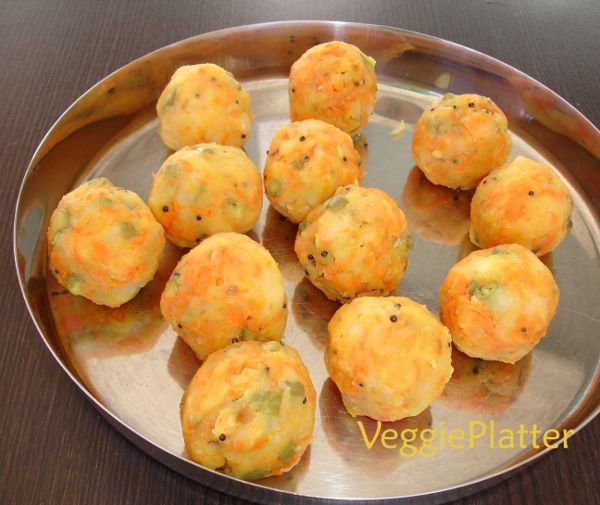
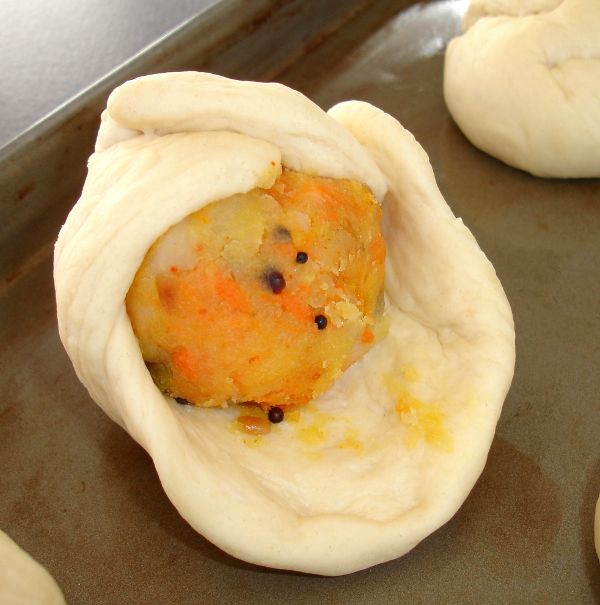
Usually a spicy potato preparation is used to stuff these buns but I used carrot and beans as well here. I prepared the stuffing exactly the same as in the potato masala I posted earlier here. I excluded onion and tomatoes from the recipe and added beans. I used 3 large potatoes, 2 carrots and about 30 beans. Cool the stuffing, divide it into 12 equal portions and shape them into balls.


Ingredients for the buns:
3 cups all purpose flour or bread flour
1.5 tsp salt
2 Tbsp sugar
2.5 tsp active dry yeast
1 cup luke warm water
1/4 cup dry milk powder / milk
1/4 cup melted butter
1 Tbsp each - milk & oil for brushing the buns

Method:
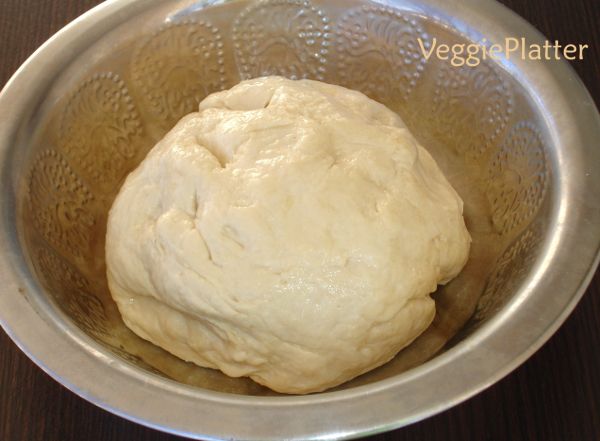
* Add water, sugar, salt and yeast to a bowl and let it sit for five minutes to froth. Then add butter, milk powder / milk and flour to the yeast mixture and form a smooth dough. (My dough was little sticky at this stage and I added 2 extra Tbsp of flour.) Knead the dough for about 10 minutes. Coat the dough ball all over with little oil.


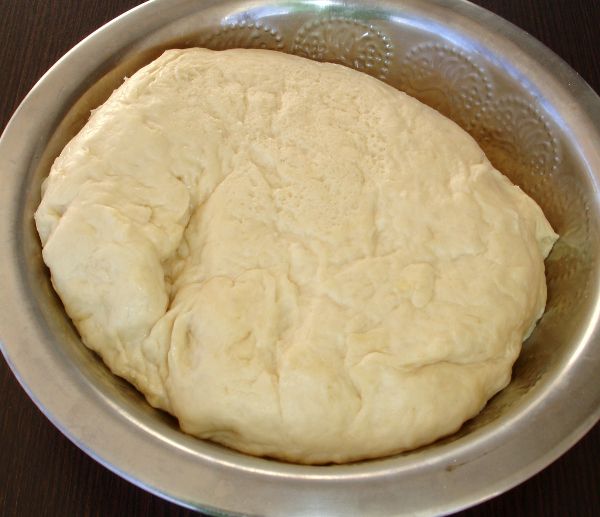
* Cover the dough and let it rise for about 45 - 60 minutes or until it doubles in volume.


* Punch down the dough well. Divide it into 12 equal portions and shape them into balls. Cover and let again rise for about 10 minutes.

 
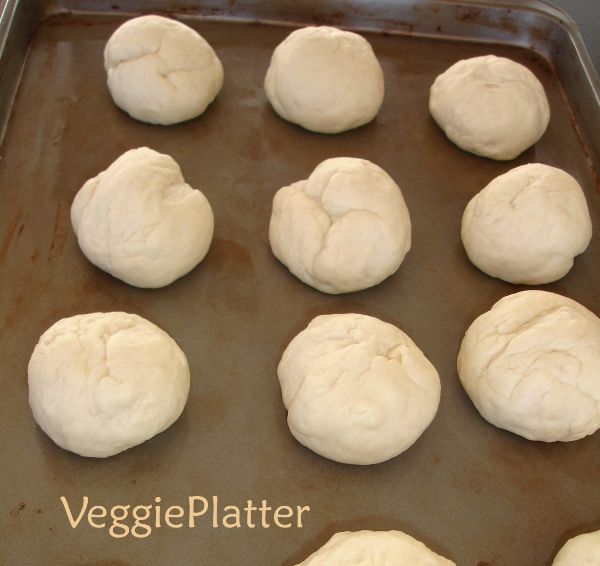
* Pat a dough ball into a circle of about 4 -5 inches diameter and place the vegetable stuffing at the center. Bring the edges together so that the stuffing is encased in the dough ball. Roll the ball slightly between your palms to smoothen the rough edges. Repeat the steps with the remaining dough balls and the stuffing.


* Grease a baking sheet or line it with aluminium foil / parchment paper. Place the stuffed dough balls on the baking sheet with the seam side down. Cover them and again let it rise in a warm place for about 30 - 45 minutes. Brush the tops of the buns with oil - milk mixture.
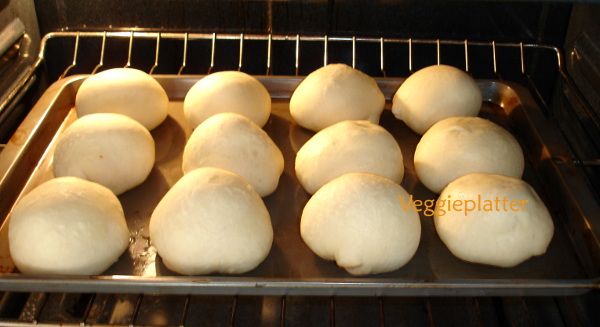
* At the final stages of rising, preheat the oven to 350 deg F. Bake them for about 20 minutes or until they start to brown. (I baked them for about 25 minutes.)

In the middle of baking 
 
The spicy buns on a gloomy day tasted very wonderful with a hot cup of coffee.
 
 
This goes to BM#24 under the theme of "Mixed Vegetables - Carrot, Potatoes & Beans". Check here to find out what others are cooking during the marathon.
Comments