HOME        |        ABOUT        |        COPYRIGHT        |        CONTACT        |         RECIPE INDEX        |         INDIAN THAALIS        |         MILLET RECIPES        |        EVENTS' ROUNDUP        

Showing posts with label Thaalis. Show all posts

Friday, October 2, 2020

Thaalis and Platters Roundup

For those uninitiated, a thaali is an elaborate Indian meal that is served on a circular metal platter, which is also coincidentally called a thaali. I was in two minds before deciding to join this 'Thaalis and Platters' themed marathon as I wasn't sure whether I would be able to pull off this stunt, cooking at least ten thaali meals, irrespective of it's size. Doing the prep work, cooking the entire thaali, setting up the platter, clicking and doing the clean up after on my own seemed daunting. I have a back with a slipped disc that starts breaking even when I cook a couple of dishes for the blog and photograph them. This time however the theme got announced way in advance, giving plenty of time to mull over and jump in. Besides, I did not want to miss this themed marathon as I was sure that I would never ever attempt to cook a thaali on my own without the marathon group. 

I decided to try simple stuff first and see how it goes. Add an extra dish to the everyday meal and click, that kind of thing and in between a couple of festivals came and went and so, I had a few thaalis ready. 
I gained courage then to sign up for this marathon. I stuck to my plan of cooking around only 10 to 12 dishes for regional thaalis which I know pales in compression to the number of dishes served in a restaurant style thaali. I did not rush around this time to cook a complete thaali at one go as I knew that would be bad for my back. If possible, I froze some of the dishes as soon as I cooked, particularly some of my breakfast dishes. I refrigerated some of the dishes by cooking a day ahead when it came to some of the regional thaalis. This worked for me because I never have any power cuts where I live and we are used to freezing food. 

I decided to stick to only Indian themed platters for this marathon and not to deviate from it so that I could cover as many regional cuisines as possible. I covered most of the regions even if I was not able to cook meal platters from each state. Telangana and some of the north eastern regions being the exception. Even those omissions occurred because I had to redo some of my breakfast platters and flatbreads to suit the platter theme. Below is a quick look at my thaalis and platters that were cooked for this blogging marathon. Click on the links below (recipe names) for recipes.

First week - Everyday Meals
I reserved the first week for everyday meals. I cooked 4 Vegetarian Indian Thaalis, picking one each from eastern, northern, southern and western parts of India. These thaalis contain comfy, home style meals.  


Second Week - Breakfast Platters
It was breakfast platters for the second week. I had originally planned to cook breakfast platters from central, eastern, north, north- eastern, southern and western regions. I ended up doing combo dishes instead but at the last moment was able to add three regional platters. Banarasi kachori, dal pakwan. angakar roti, kailoreo were some of the dishes we tried for the first time and enjoyed while the chilka roti has become now a regular breakfast at home.

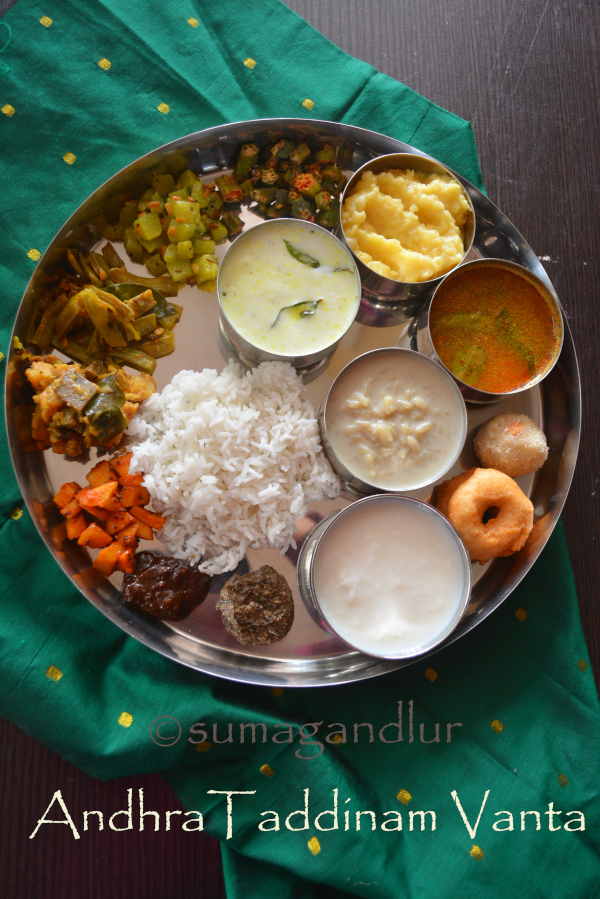
This theme was what I fretted over much, since these meals needed to be region specific and needed to be a thaali, in true sense though less in quantity compared to restaurant styled thaalis. I have two from my native state of Andhra Pradesh including a festive meal and a meal served on a taddinam / death anniversary, one each from eastern, northern, north eastern, and western parts of India.



Week 4 - Indian Flatbreads
I posted various Indian flatbreads during the fourth week. Healthy flatbreads, some new and some regular at my home. Most of the flatbread doughs can be prepared and refrigerated for a day or two. Just zap it in the microwave covered, for about 30 to 40 seconds before using it. 


Week 5 - Platters
I tried to include platters with regional relevance, two each from southern and northern parts of India.
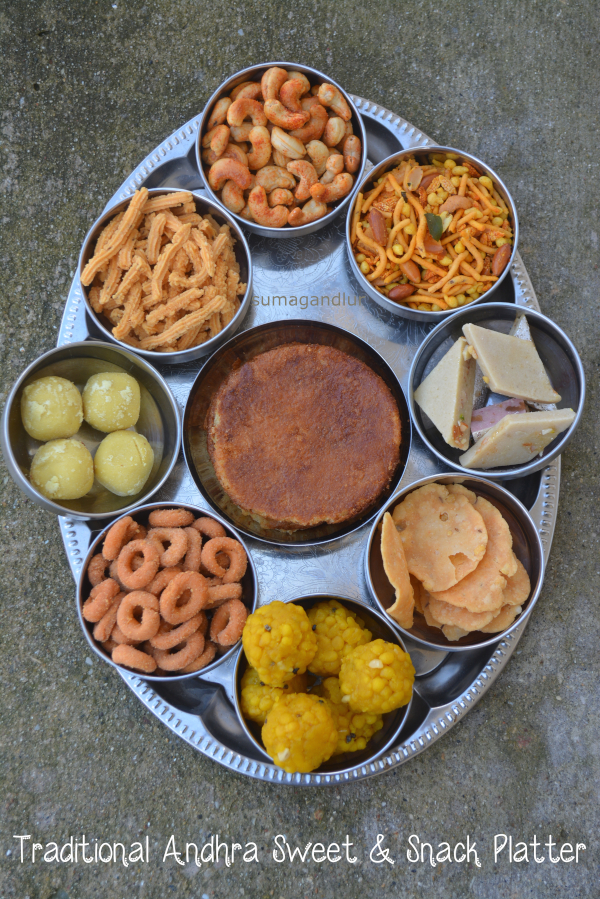


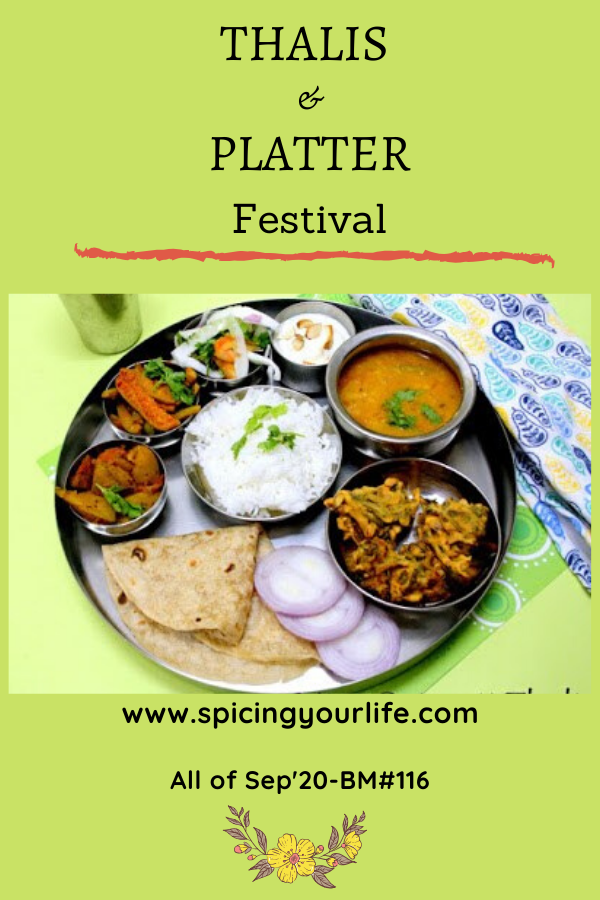
Hope you guys enjoyed the round up as much as I had fun cooking them. The recipes can be accessed by clicking on the links.


Check out the Blogging Marathon page for the other Blogging Marathoners doing BM#116.

You are invited to the Inlinkz link party!

Click here to enter
Comments

Tuesday, September 1, 2020

A Goan Vegetarian Meal ~ Mangane


Let's move on to the western region of India today, Goa to be specific whose cuisine originated from the Saraswat cuisine. The cuisine belongs to Saraswat brahmins of the Konkan belt which includes the present day districts of Karnataka like Udupi, Uttara and Dakshina Kannada and Goa. The Konkan cuisine is a part of present day Goa, Karnataka and Maharasthrian cuisines since the Konkanis are spread through out the region. Most of the Saraswat brahmins eat fish / sea food similar to Bengali brahmins. 

And also of course the cuisine is influenced by the Portuguese who colonized it for over four centuries. In fact, Portuguese were the ones who introduced items like potatoes, tomatoes, guavas, cashews, pineapples, chili peppers to Goa which consequently  have become an integral part of Indian cooking. The modern Indian cooking would be at loss with out peppers and potatoes for sure. And also there are Catholics whose cuisine is a fusion of both the above mentioned cuisines. 

Use of kokum, a souring agent is a distinct feature of the Konkani cuisine. And of course there is coconut which is widely used in the coastal state where coconut oil is the cooking medium. Most of the Saraswat brahmins eat sea food and they follow a strict vegetarian diet on religious festivals and on certain days, particularly on Mondays. During those days, they have 'shivrak' food when they don't eat even onion or garlic. 

I built my menu around that 'shivrak' aka satvik concept and made a meal without onion and garlic. I made a simple Goan thaali a few months ago including cabbage foogath, a curry usually made with onions. Last week, I added a few dishes more and made another  Goan thaali without adding onion to the curry. Curry made with ridge gourd and the one made with radish and radish leaves seem to be the popular choices on the vegetarian days. I did not have both in my refrigerator and so settled for foogath sans onion instead.  I didn't have kokum or else I would have made some solkadi. The crisply fried potato slices with a semolina coating called batata kapa make a great side dish for any meal and have become recent favorite of ours. Mangane is the Goan version chana dal - sago kheer which is yummy and appears in festive meals and other occasions in Goa. Nevros / Neuroes, the Goan karanji was added to the platter as I had made them for Ganesh chaturthi recently. Yogurt which is a mandatory part in south Indian cuisine is not part of a Goan meal.

My simple vegetarian Goan thaali had these items and I am giving below the recipe for the kheer called mangane.

Plain Rice
Mango Pickle 
Cucumber slices
Cabbage foogath - A lightly seasoned cabbage curry (without onion)
Chanya ros - Dried yellow peas curry in a coconut base. 
Toi - Lightly seasoned lentils
Tomato Saar - Spicy tomato broth
Batata Kapa - Shallow fried potato slices with a semolina / rava coating
Mangane - Split chickpeas and tapioca pearls kheer cooked in coconut milk (Chanadal - Sago payasam)
Nevro / Neuroes - A crescent shaped fried dessert with a sweet coocnut filling

Chana dal payasam aka split chickpeas pudding is a personal favorite of mine and it used to be the most common payasam cooked in my dear mother in law's kitchen on festival days. The traditional dish is made through out south India, cooked either in a base of dairy or coconut milk with the addition of jaggery. It is called madgane (pronounced mud-ga-ne) in Konkani language. The Goan version is called mangane and has an interesting addition of tapioca pearls aka sago to it. 

I have made this kheer two times so far. I pressure cooked chanadal and sago together the first time I made this and then rinsed it with water. Whenever I make sago kheer, I rinse the cooked pearls in a colander thoroughly until all the starch is washed away. However I could feel the subtle sliminess clinging to chana dal while eating even though I could not see it visually and hated that feeling. (It may be just me.) I have now realized that cooking chana dal and sago individually and combining at the end would result in a perfect textured kheer. They are cooked together usually but I am picky that way. 😉 For a vegan version, skip the ghee and add the cashews directly to the kheer when jaggery is added.

Ingredients:
1/2 cup chana dal / split chickpeas
1/4 cup sago / tapioca pearls
1/2 cup jaggery
1/4 tsp. cardamom 
1.5 to 2 cups coconut milk (adjust as needed)
1 tbsp. ghee
2 - 3 tbsp. cashew pieces

Directions:
* Rinse and soak chana dal in a bowl of water for about an hour or two. Similarly rinse and soak sago in another bowl of water for about an hour. Drain the water after the soaking period.
* Pressure cook chana dal adding a cup of water. Pressure cook sago adding about 3/4 to 1 cup of water. They can be cooked in two different stackable containers at the same time in a pressure cooker but don't combine them if you are like me.
* The chana dal should be well cooked but still holding shape. Don't drain the chana dal and save if any water present.
* Once the valve pressure is gone, transfer the cooked sago to a colander and rinse with fresh water until all the starch is removed. 
* Transfer the cooked chana dal, sago and jaggery to a non stick or heavy bottomed pan and cook on medium flame until the jaggery melts, stirring in between. The water saved after cooking the dal can be added as well if the mixture appears dry.
*  Add the coconut milk and cook for about 5 minutes on low heat setting. Add cardamom, stir well and turn off the stove. 
* Toast cashews in ghee until golden brown and add it to kheer. Stir and serve it warm.

Notes:
1. The chana dal can be cooked in thin coconut milk (the milk extracted while grinding the coconut the second and third times) instead of water. 
2. The sago can be cooked in stove top in a sauce pan adding enough water instead of a cooker. 
3. Pressure cooker method is the fastest way to cook chana dal but if following the open pot method, soak chana dal overnight or for more than a couple of hours to quicken the cooking process.