HOME        |        ABOUT        |        COPYRIGHT        |        CONTACT        |         RECIPE INDEX        |         INDIAN THAALIS        |         MILLET RECIPES        |        EVENTS' ROUNDUP        

Saturday, October 10, 2020

Bhavra

I am going to post three 'chickpea flour / besan' based recipes this week and the first one is bhavra. Bhavra is a delicious chickpea flour / besan based snack from Bihar region and were a part of the Bihari thaali I posted last month. I came across this dish when I was randomly looking for regional snacks from that state and unfortunately that recipe link is no longer available online. Bhavra do not fall under the pakora / bhajiya category though a similar kind of chickpea flour based batter is used in the preparation of these tasty fritters. 

A batter of pourable consistency is prepared that includes black chickpeas as well. A ladleful of batter is poured into the hot oil and then shallow fried until it is golden brown. There is another variation that is prepared using fresh peas. These yummy bhavra can be a part of a festive meal or they make a perfect evening snack. They don't need an accompaniment to go with but can be served with some ketchup / chutney if desired.

Ingredients: (Yield 4 bhawra)
1/4 cup black chickpeas / kala chana, soaked overnight 
1/2 cup chickpea flour / gram flour / besan
2 heaped tsp. semolina / sooji (Rice flour is added traditionally.)
1/8 tsp. turmeric powder / haldi
1/2 tsp. carom seeds / ajwain 
2 tbsp. finely minced cilantro / dhaniye ke patte
1 tsp. grated or finely chopped ginger / adrak 
2 or 3 finely chopped green chillies / hari mirchi
1 small onion / pyaaz, grated or finely chopped
Salt to taste
Oil to fry

Method:
* Add all ingredients except oil to a bowl and mix to combine. 

* Add hot water as needed and form a batter with a consistency similar to almost a dosa batter. (I added about 6 tbsp. of hot water.)

* Heat oil in a pan on medium heat, for shallow frying. Pour a tiny drop of batter into hot oil and check whether it quickly swims to the surface. If it does, the oil is hot enough to fry. If not, heat the oil some more but do not bring it to a smoking point.
* Pour a ladleful of batter carefully into the hot oil. Pour the hot oil (in the pan) over the surface of the batter with a slotted spoon once or twice. Lower the heat slightly but do not go to the lowest setting as the oil needs to be hot while frying.
* When the bottom side turns brown, flip and cook until the other side turns golden brown as well.
* Remove the fried bhawra with a slotted spoon, draining as much oil as possible and transfer onto a plate covered with paper towels. Repeat the steps with the remaining batter.
* Serve them warm as it is or with ketchup or a chutney if desired. 

Friday, October 2, 2020

Thaalis and Platters Roundup

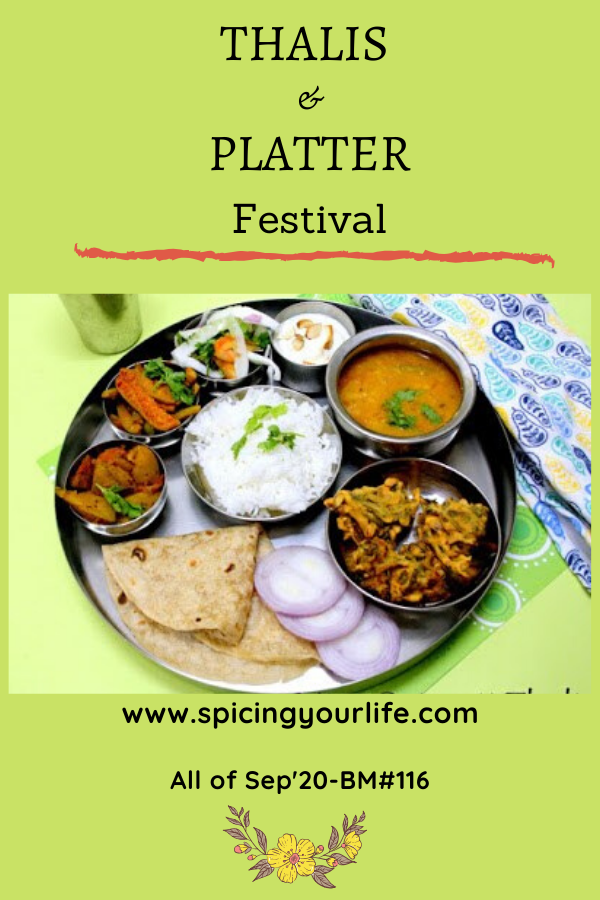
For those uninitiated, a thaali is an elaborate Indian meal that is served on a circular metal platter, which is also coincidentally called a thaali. I was in two minds before deciding to join this 'Thaalis and Platters' themed marathon as I wasn't sure whether I would be able to pull off this stunt, cooking at least ten thaali meals, irrespective of it's size. Doing the prep work, cooking the entire thaali, setting up the platter, clicking and doing the clean up after on my own seemed daunting. I have a back with a slipped disc that starts breaking even when I cook a couple of dishes for the blog and photograph them. This time however the theme got announced way in advance, giving plenty of time to mull over and jump in. Besides, I did not want to miss this themed marathon as I was sure that I would never ever attempt to cook a thaali on my own without the marathon group. 

I decided to try simple stuff first and see how it goes. Add an extra dish to the everyday meal and click, that kind of thing and in between a couple of festivals came and went and so, I had a few thaalis ready. 
I gained courage then to sign up for this marathon. I stuck to my plan of cooking around only 10 to 12 dishes for regional thaalis which I know pales in compression to the number of dishes served in a restaurant style thaali. I did not rush around this time to cook a complete thaali at one go as I knew that would be bad for my back. If possible, I froze some of the dishes as soon as I cooked, particularly some of my breakfast dishes. I refrigerated some of the dishes by cooking a day ahead when it came to some of the regional thaalis. This worked for me because I never have any power cuts where I live and we are used to freezing food. 

I decided to stick to only Indian themed platters for this marathon and not to deviate from it so that I could cover as many regional cuisines as possible. I covered most of the regions even if I was not able to cook meal platters from each state. Telangana and some of the north eastern regions being the exception. Even those omissions occurred because I had to redo some of my breakfast platters and flatbreads to suit the platter theme. Below is a quick look at my thaalis and platters that were cooked for this blogging marathon. Click on the links below (recipe names) for recipes.

First week - Everyday Meals
I reserved the first week for everyday meals. I cooked 4 Vegetarian Indian Thaalis, picking one each from eastern, northern, southern and western parts of India. These thaalis contain comfy, home style meals.  


Second Week - Breakfast Platters
It was breakfast platters for the second week. I had originally planned to cook breakfast platters from central, eastern, north, north- eastern, southern and western regions. I ended up doing combo dishes instead but at the last moment was able to add three regional platters. Banarasi kachori, dal pakwan. angakar roti, kailoreo were some of the dishes we tried for the first time and enjoyed while the chilka roti has become now a regular breakfast at home.

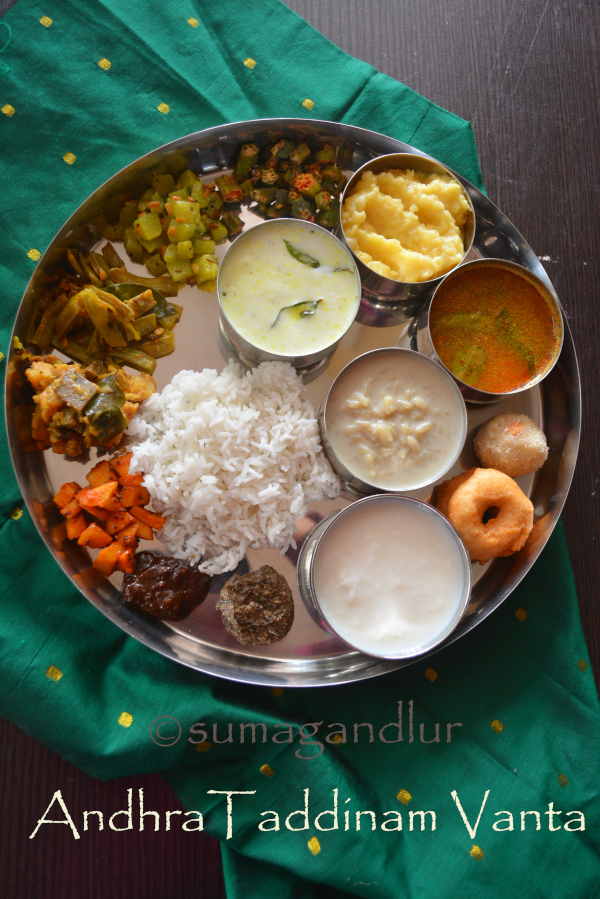
This theme was what I fretted over much, since these meals needed to be region specific and needed to be a thaali, in true sense though less in quantity compared to restaurant styled thaalis. I have two from my native state of Andhra Pradesh including a festive meal and a meal served on a taddinam / death anniversary, one each from eastern, northern, north eastern, and western parts of India.


Week 4 - Indian Flatbreads
I posted various Indian flatbreads during the fourth week. Healthy flatbreads, some new and some regular at my home. Most of the flatbread doughs can be prepared and refrigerated for a day or two. Just zap it in the microwave covered, for about 30 to 40 seconds before using it. 


Week 5 - Platters
I tried to include platters with regional relevance, two each from southern and northern parts of India.


Hope you guys enjoyed the round up as much as I had fun cooking them. The recipes can be accessed by clicking on the links.


Check out the Blogging Marathon page for the other Blogging Marathoners doing BM#116.

You are invited to the Inlinkz link party!

Click here to enter
Comments

Wednesday, September 30, 2020

Dal Baati Churma Platter


After more than a year of mulling over and planning the recipes, and cooking, this month seemed to have come and gone in a flash. My final platter of this mega marathon comes from the desert state of India, Rajasthan known for it's culinary vibrancy in spite of it 's dismal geographical conditions. The arid conditions limit the availability of fresh produce all year round which most of us Indians take for granted. The locals had to improvise and come up with recipes using either no vegetables or dried vegetables and the available pantry staples. One would be wrong to assume that their recipe repertoire is as bleak as the surroundings or their meager supplies. 


The Rajasthani thaalis I have eaten in India have been enjoyable experiences. I can still reminisce over the abundant variety of  delicacies served and the hospitality that makes you feel at home instead of eating at a restaurant. I could not cook a Rajasthani meal as planned but instead I made this mini platter around dal baati churma which has also been on my to-do list. 
Dal baati churma needs no introduction if one is even slightly familiar with Rajasthani cuisine. It is the most iconic dish of the region and is an integral part of any celebratory meal. The dish was created again keeping in mind of the harsh geographical conditions but the combo is a delectable one where sweet and savory dishes are enjoyed together. The cuisine has dishes that can be stored for longer and batis and churma fall under that category. The dal served along with batis is panchratan dal or panchmel dal which uses a combination of five pulses. One can still try the spicy dal and enjoy even if not using all the five varieties of pulses. 

Baatis are wheat flour based hard, unleavened rolls which were originally war time food. I read that the Mewar soldiers would bury  chunks of dough under thin layers of sand to bake under the sun. They would return from the battlefield and dig out the perfectly baked baatis and eat it slathering with ghee and yogurt made from goat or camel milk. Baatis are traditionally baked over coal or in clay ovens but they can be baked in the oven which is lot easier. The baked baatis are immersed in ghee and served. Baatis can be made plain or stuffed with variations and is made with different flours as well. Baatis are made in other regions of India too with slight variations.

Churma is believed to be an accidental invention when a Mewar cook accidentally poured sugarcane juice over baatis making them sweeter and softer, which further evolved into the present day version churma. The Churma is the sweet counter part for the savory dal baati and was traditionally made by grinding the baatis / left over rotis with ghee and sugar / jaggery and optionally adding dry fruits and nuts. They can be rolled into laddus, binding them with ghee. 

This combo, a traditional delicacy filled with high calories is valued for it's high nutritional value and the longer shelf life. The combo is loaded with ghee but I did not find the flavor overwhelming and indeed enjoyed the combo. My platter contains the following dishes.

Panchmel Dal - A gravy amde with five varieties of pulses / legumes. (Recipe here.)
Baati - Oven baked wheat and semolina rolls 
Churma - A sweet dish made with wheat, semolins, sugar, ghee and nuts 
Salad - I had onions, cucumbers, tomatoes. Also lemon slices 
Papad
Ghee - To serve over baati and dal
Lehsun ki Chutney - Spicy Garlic chutney
Mirchi ke Tipore - Rajasthani Green chili pickle
Papad ki Kadhi - A chickpea flour based gravy with papad
Boondi Raita - A yogurt sauce with boondi. (Recipe here)

I have posted the following recipes so far in the series.


Week 3 - Regional Thaalis

Week 4 - Indian Flatbreads

Week 5 - Platters

Tuesday, September 29, 2020

Mandyali Dham ~ Kaddu ka Khatta


Today's platter is a dham that is served in a thaali, after I failed disastrously to capture the iconic meal in leafy bowls and plates. A 'dham' is a traditional feast served in the state of Himachal Pradesh on festive occasions. The legend is that a Chamba king named Jaisthamba was fascinated by the idea of Kashmiri wazwan and ordered his cooks to prepare a vegetarian meal on similar lines to offer the Goddess. A menu thus created thirteen centuries ago slowly evolved into a 'dham'. As it was initially prepared in temples as prasad, the dham meal is completely 'satvik'. No onions, garlic, or tomatoes are used. The emphasis of cooking is mostly on pulses / legumes. Nowadays people have dhams planned for every auspicious occasion and gathering including weddings.

Winters are considered to be the best season to serve dhams according to this article which gave me sufficient info to plan for this dham. A traditional dham is always cooked by botis, brahmins who are hereditary chefs. The recipes are not handwritten and the secret recipes are passed down from generation to generation in the family. A dham preparation for a mid day meal begins the previous night. The food is cooked in a 6x2 feet trench using firewood. Thick copper and brass vessels with broad base and narrow openings are used to cook the dishes since metals are good conductors of heat and the narrow shape keeps the food warm foe longer period. The big iron kadai / woks are used to make the khattas. The guests sit on the floor in a line to eat which was originally meant to imbibe the feeling of equality among the local communities. The food is traditionally served in  biodegradable plates made with leaves.
The dhams cooked in each region of the state varies because of the diversity. Kangra dham, Mandyali dham, Chambyali dham and Bilaspuri dham are the famous ones among the lot. I chose to go with the Mandyali dham as my husband is somewhat attached to the place since his first job was in that picturesque town. Mandyali dham is known to follow the definition of a proper Ayurvedic diet. As per sage Sushrutha, a proper diet consists of six rasas, eaten in a particular order. One should start with sweet, followed by sour and salty food. Bitter and astringent food should be consumed at the end. 

Mandyali dhaam has six dishes served along with rice. 

1. Badaane ka meetha / Boondi ka meetha
Mandyali dhaam starts with a madhura rasa / sweet dish called boondi ka meetha or badaane ka meetha. Boondi or crisp, fried tiny balls of chickpea flour is cooked in sweet sugar syrup along with dry fruits. It is not shaped as laddu but the boondi is in a liquidy syrup and obviously I loved it.
2. Sepu badi
The second one in the dham would be madhura amla rasa - sweet and sour sepu badi, a dish made with fresh spinach leaves and badi. This is one of the dishes which takes a little extra time for the preparation if you are starting from the scratch as I did. For badis, black gram / urad dal need to be soaked, ground, shaped and then cooked in water. Then they are cut into cubes and fried. The badis thus prepared are cooked in a spicy gravy of spinach.  
3. Kaddu ka khatta
Next is the turn of kaddu ka khatta, a sour and sweet tasting pumpkin curry that makes up amla lavana rasa - sour and salty.
4. Kol ka khatta
The fourth one is kol ka khatta which is literally sour tasting and made from kol aka horse gram. It is sour in taste and but because of the addition of mustard powder tastes pungent.
5. Mah ki dal 
Mah ki dal which is (triktapradran - bitter dominant) black gram cooked with spices.
6. Jhol
The final one in the series is jhol which is an astringent, prepared with yogurt thinned with the addition of water and ground corn in a clay pot. The locals believe that food is not digested without drinking a cup of jhol.

I am posting the recipe for kaddu ka khatta below. As the name suggests this is a sweet and sour tasting curry which falls under my favorite realm. The curry is a simple and quick one though the list of ingredients is a lengthy one. This delicious side dish can be enjoyed with rice / rotis or pooris.

Ingredients:
2 tbsp. mustard oil (I used olive oil.)
1 tsp. cumin seeds
1 tsp. coriander seeds / 
sabut dhaniya, slightly crushed
1/8 tsp. fenugreek seeds (methi)
A pinch of black peppercorns (optional)
2 green chilies. sliced
A pinch of  asafoetida / hing
1/8 tsp. turmeric powder
1 cup peeled and cubed pumpkin
Salt to taste
Chili powder to taste
1 heaped tsp. jaggery or to taste
1 - 2 tbsp. thick tamarind puree
1/2 cup water
1/4 tsp. carom seeds / ajwain
Cilantro / Coriander leaves to garnish

Directions:
* Heat oil in a pan and add cumin seeds, coriander seeds, fenugreek and peppercorns if using. When cumin starts to brown add green chilies and sauté for  few seconds. 
* Add asafoetida, turmeric and pumpkin cubes. Sprinkle salt over the cubes, mix to combine and cover the pan with a lid. 
* Cook pumpkin on medium flame for about five minutes and check. If the pumpkin has softened, add the jaggery, tamarind and water. 
* Crush carom seeds slightly between palms and sprinkle over the curry. Mix well and taste. Add chili powder if and as needed. (I added about 1/4 tsp. chili powder.) Cook until the mixture slightly thickens and turn off the stove. Garnish with cilantro before serving.

Monday, September 28, 2020

Idli Platter ~ Proso Millet Idli

Idli is a popular breakfast dish from the southern parts of India, that is prepared by steaming a fermented batter of rice and black gram. They are steamed in special moulds called an idli stand which holds about two dozen idlis, the ones typically used in a household setting. Whereas the moulds used in restaurants are naturally bigger in size to hold more idlis, to cater their customers. The fact that they are steamed and use no fat in the preparation makes them an healthy breakfast choice for everyone including toddlers, the ailing or convalescing. The idlis are bland by themselves are usually served with a chutney and/or a soupy lentil gravy called sambhar.
The standard version idlis use rice and black gram that need soaking, grinding and fermenting before steaming which means that they need advance planning. There are versions with other grains substituted for rice which basically follow the same method. There are a second set of idlis where the ingredients are mixed and soaked for a short amount of time and steamed which make them instant versions. I have a few varieties of idlis in my platter today which fall under these two categories. I chose to go with about ten varieties though there are plenty of other variations. Most of the idlis in my idli platter are from Karnataka and the accompaniments I have are those side dishes popularly served in Bangalore restaurants - chutney, sambhar and saagu. Check my breakfasts page for more idli ideas.

I have the following in my idli platter.
Idli - Standard version prepared using idli rice and black gram.
Semolina idli / Rave idli (Recipe here)
Cucumber idli / Southekayi idli
Field beans Idli / Avarekayi Idli
Pumpkin idli / Kumbalakayi idli (Recipe here.)
Horse gram idli / Kulitha idli 
Flattened rice idli / Avalakki idli
Pearl millet idli / Bajra idli / Sajje idli
Proso millet idli / Baragina idli
Finger Millet idli / Ragi idli
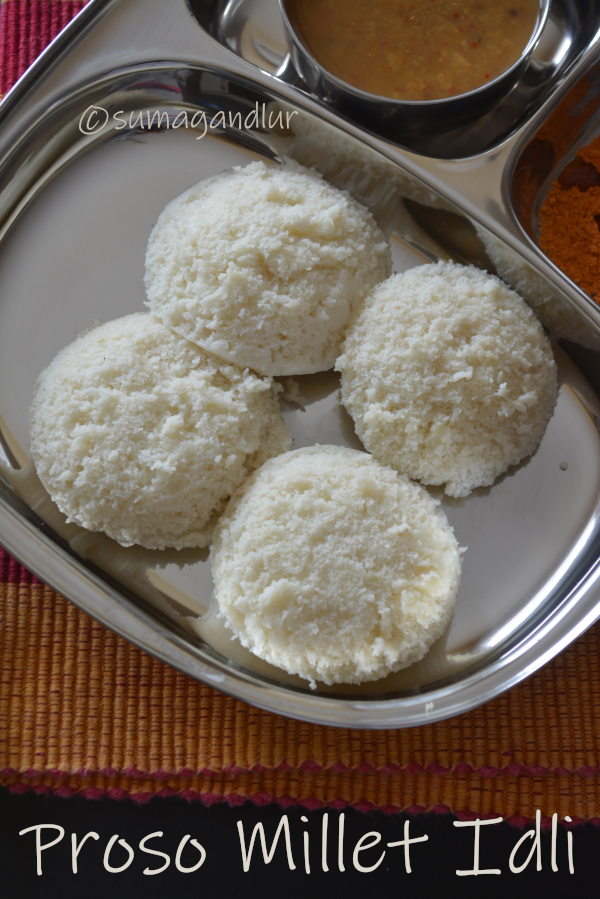
I am posting the the proso millet idli recipe for today. I replace a portion of idli rice with either millets or millet flours in my regular idli recipe to make them healthier and nutritious. I haven't liked those idlis that much which are made adding no rice. We enjoy the version I am posting today and as far as I have noticed, the millets do not change the taste of idli at these proportions. They make a healthy and delicious breakfast or lunch along with some chutney and/or sambhar. My husband loves idli and so, I usually make a big batch of idlis and freeze them so that I don't need to make them every other day. The idlis can be refrigerated or frozen given that there are no power cuts in the area you live. If freezing, cool the idli immediately after they are demolded and put them in the freezer.  When ready to eat, heat them in the microwave, covered and you will have fresh, piping hot idlis.
Ingredients:
1/2 cup proso millet
1/2 cup idli rice
1/2 cup black gram / urad dal
Salt to taste

Directions:
* Rinse and soak the ingredients in water for about 3 to 4 hours.
* Grind them together to a thick batter adding as much as water needed. Add salt as well if living in a cold climate. 
* Transfer the batter to a container big enough (to allow the batter rise), cover and leave it aside to ferment. The fermentation may take anywhere between 8 to 14 hours depending upon the local climate. Make sure to place the batter in a warm place if living in cold climate.
* The fermented batter should look like the one below, light and frothy slightly smelling sour. Add salt if it was not added while grinding and gently mix to combine.
* Add water up to 2 inches in a steamer / idli cooker / pressure cooker base and heat it.
* Grease the idli plates and spoon the batter into moulds. Place the filled idli stand into the cooker and close the lid. Do not use the pressure valve on the lid if using a pressure cooker,.
* Steam the idlis on low heat until done, about 20 minutes or until the surface of the idli doesn't stick if touched with wet fingers. Turn off the stove.
* Let it sit for about 10 minutes and then remove the lid. Run a sharp spoon along the edges to demould the idlis.
* Serve them warm with chutney / sambhar. 
* These can be refrigerated or frozen as well.